


SKU #62783
·
58 views
RUSSIAN ELMS
Watermelon
Соколов Сергей ДмитриевичUser rating
0 votes0% positive reviews
No ratings yet — be the first.
Fruit; flesh color
Pink
Fruit; shape
Oval-shaped
Fruit; weight
3.0-5.0 kg, 9.0-12.0 kg
Registration year
2015
Store offers · 1 from 1 stores
Prices are updated on loadLoading offers…
Available at: Leyka · Дім садівника · Zhiva Apteka
Aggregator catalog: prices are collected automatically from store websites, normalized by AI and converted at the current exchange rate. Before ordering, confirm the price and availability on the store's website. This block is not indexed by search engines — the data is loaded after the page opens.
About product

The 'Russian Elms' watermelon variety is a medium-late climbing variety with a long main stem. The fruits have a widely elliptical shape and a characteristic pattern on a light green background, consisting of black stripes and a mosaic of light green spots. The weight of one watermelon varies depending on the growing region: in central Russia, fruits weigh from 3 to 5 kg, in southern regions — fro…
Fruit; flesh color
Pink
Fruit; shape
Oval-shaped
Fruit; weight
3.0-5.0 kg, 9.0-12.0 kg
Registration year
2015
Description
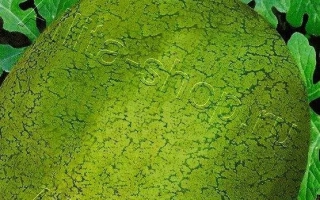
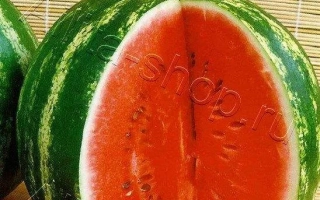
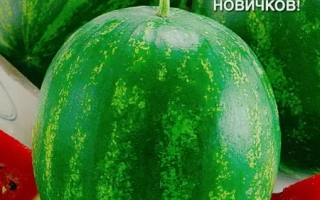
The 'Russian Elms' watermelon variety is a medium-late climbing variety with a long main stem. The fruits have a widely elliptical shape and a characteristic pattern on a light green background, consisting of black stripes and a mosaic of light green spots. The weight of one watermelon varies depending on the growing region: in central Russia, fruits weigh from 3 to 5 kg, in southern regions — from 7 to 12 kg, and with optimal agronomy and limiting the number of fruits, the weight can reach 20-25 kg. The flesh of the watermelon is pink, of medium density, juicy, and has a honey-sweet taste, which makes this variety especially attractive to consumers.
The 'Russian Elms' variety is distinguished by high yield and resistance to low temperatures, which allows it to be grown in various climatic conditions. The plant requires proper care, including soil preparation, regular watering, fertilizing, and protection from diseases and pests. In greenhouse conditions, watermelons are tied to a trellis and formed into one stem, removing side shoots up to a height of 50 cm and pinching off subsequent ones after the third leaf. To increase yield, it is recommended to conduct cross-pollination of flowers in the morning hours. In open ground, 3-4 fruits are left and the top of the plant is pinched.
The fruits of the 'Russian Elms' variety are well transported and can be stored for up to two months after harvesting, which makes them convenient for marketing and long-term storage. Due to their taste qualities, juicy flesh, and attractive appearance, this watermelon is popular among gardeners and consumers seeking to obtain a high-quality and tasty crop.
The 'Russian Elms' variety is distinguished by high yield and resistance to low temperatures, which allows it to be grown in various climatic conditions. The plant requires proper care, including soil preparation, regular watering, fertilizing, and protection from diseases and pests. In greenhouse conditions, watermelons are tied to a trellis and formed into one stem, removing side shoots up to a height of 50 cm and pinching off subsequent ones after the third leaf. To increase yield, it is recommended to conduct cross-pollination of flowers in the morning hours. In open ground, 3-4 fruits are left and the top of the plant is pinched.
The fruits of the 'Russian Elms' variety are well transported and can be stored for up to two months after harvesting, which makes them convenient for marketing and long-term storage. Due to their taste qualities, juicy flesh, and attractive appearance, this watermelon is popular among gardeners and consumers seeking to obtain a high-quality and tasty crop.
Video · 8 videos
Suggest a video →Crop & resistance
Crop
Specifications hover over for a hint about the specification
|
Fruit; flesh color
Fruit; flesh color
Color of the fruit flesh. There are red, pink, yellow, and brown colors. |
|
|---|---|
|
Fruit; shape
Fruit; shape
Spherical, oval, flattened or cylindrical shape. |
|
|
Fruit; weight
Fruit; weight
Table watermelons weigh 0.6-16 kg. |
3.0-5.0 kg, 9.0-12.0 kg |
| Registration year | 2015 |
| Catalog | Catalog → Watermelon |
| Manufacturer | Соколов Сергей Дмитриевич |
| Legal data |
Show · 5
|
| Country | Russia |
Not yet комментариев. Be the first!
Alternatives
Watermelon seeds · similar varieties





See also
Often considered together with this variety





Recently viewed
Products you’ve viewed on this site
Reviews · 0