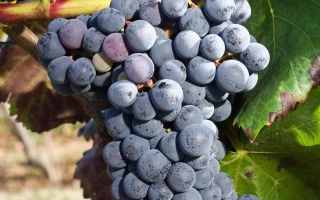
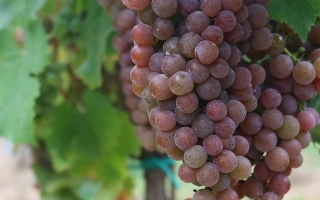
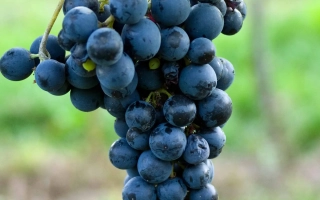
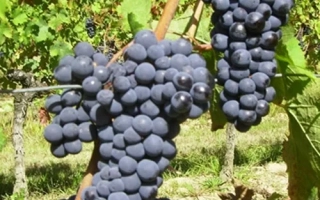
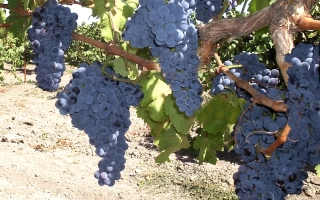
Malvasia is one of the oldest and most famous grape varieties, widely distributed in the Mediterranean region. This variety is represented by several subspecies, the berry color of which varies from white to red, however, white Malvasia, or Malvasia Bianca, is the most well-known. The origin of the variety is connected to the Greek port of Monemvasia, from where it began its spread. Genetic analysis confirms the closeness of Malvasia to other varieties, such as Malvasia Bianca Lunga and Malvasia di Lipari.
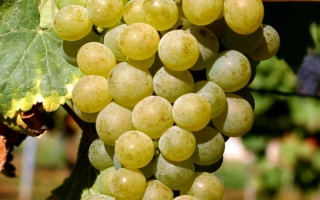
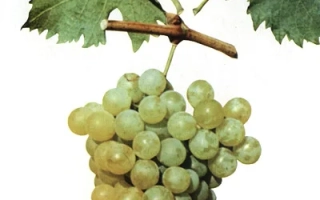
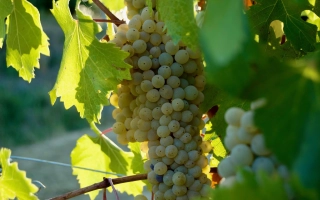
White Malvasia is characterized by an early ripening period, although there are also medium-late varieties, for example, Malvasia Istarska. The leaves of the variety are five-lobed, weakly cut, the shape of which can vary from round to cuneiform. Bunches are usually cylindro-conical, medium or greater than medium size, often with wings. Berries have medium size, round, with medium thickness skin and juicy flesh. Berry color varies from yellowish-green to white with a thick waxy bloom. The variety is characterized by high yield, but at the same time it is not resistant to fungal diseases and frost.
Malvasia is widely used for the production of various types of wines. From it, dry, liqueur, sparkling and proprietary wines are obtained, which are characterized by a pale straw-yellow color and an intense aromatic bouquet. Wines have a piquant taste with characteristic notes of ripe pear, honey and light spices, as well as floral and almond shades. Thanks to its richness, good sugar content and alcohol content, wines from Malvasia are valued for harmony and body fullness, as well as for freshness and minerality.