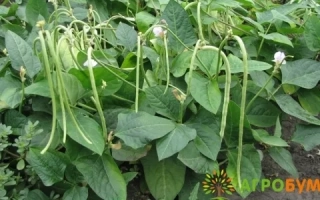
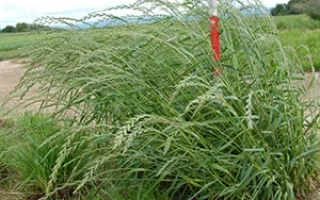
Olesa is a fodder variety of vigna belonging to the legume family and possessing a tropical origin. The culture is characterized by high seed yield: at standard moisture content, it ranges from 8.2 to 14.7 centners per hectare, which is almost double that of common beans. The weight of 1000 seeds varies between 94.2 and 98.8 grams.
The biochemical composition of Olesa seeds is characterized by high protein content (23.8–24.6 %) and a moderate fat level (0.94–1.30 %). Furthermore, seeds contain ash 3.28–3.83 %, fiber 3.79–5.09 %, and bioavailable carbohydrate (BAC) 64.26–67 %. These indicators make the culture a valuable fodder product for agriculture.
Agronomic features include a sowing rate of 200 thousand germinable seeds per hectare and a wide-row method with a spacing of 70 cm. Sowing times – the second decade of May, while harvesting is done manually. The culture matures evenly, has medium-low intensity of nodule development, and high resistance to lodging (5 points). Resistance to pod shattering is also rated at 5 points, ensuring a stable yield even under unfavorable weather conditions. The height of attachment of lower pods is 43–46 cm, and the culture is suitable for mechanized harvesting.
Overall, Olesa represents a highly effective fodder culture with low cultivation costs and resistance to diseases and pests. This makes it an attractive choice for farmers seeking to increase productivity with minimal resource investment.