


SKU #72083
·
60 views
Liliana
Vigna
Агрофирма ПоискUser rating
0 votes0% positive reviews
No ratings yet — be the first.
Plant Height
150-300
Bob's flavor
Sweet
Assignment
For Fresh Consumption
Registration year
2010
Prices in stores
from19 €per 1000 seeds
pack from 0.14 € per 1 g
2 offers from 2 stores
Store offers · 2 from 2 stores
Prices are updated on loadLoading offers…
Available at: Centre Liliya · Насіння країни
Aggregator catalog: prices are collected automatically from store websites, normalized by AI and converted at the current exchange rate. Before ordering, confirm the price and availability on the store's website. This block is not indexed by search engines — the data is loaded after the page opens.
About product

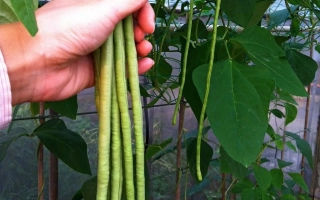
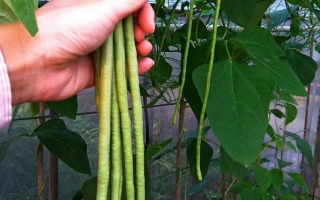
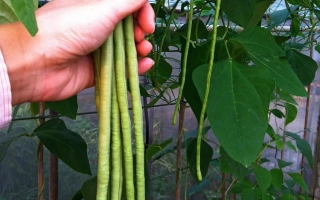
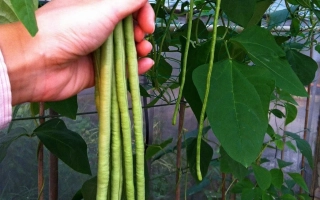
A high-yielding climbing variety with delicate, sweet pods, specifically bred for premium fresh market sales.
Plant Height
150-300
Bob's flavor
Sweet
Assignment
For Fresh Consumption
Registration year
2010
Description
Vigna «Liliana»: Precision Breeding for the Fresh Market
The Vigna «Liliana» variety represents a significant achievement by the «Agrofirma Poisk» breeding team, developed in partnership with leading scientific research centers in vegetable production. This variety addresses the market's growing demand for high-quality, gourmet-grade asparagus bean varieties.
Morphology and Cultivation
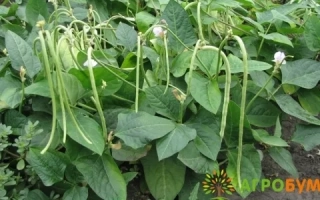
As a robust climber, the «Liliana» plant reaches heights of 150–300 cm. Its vertical growth habit necessitates the use of trellises or supports, which not only optimizes space in the field but also ensures clean, high-quality harvesting. The plant shows remarkable resilience and adaptability, providing consistent yields across diverse environmental conditions.
Market Performance and Culinary Profile
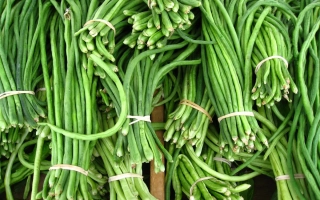
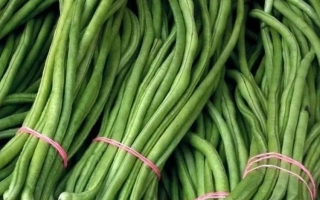
The core strength of «Liliana» lies in its dedicated profile for the fresh market. Consumers prize this variety for its delicate, distinctly sweet-flavored pods. Unlike many standard green bean varieties, «Liliana» pods remain tender and fiber-free, making them a preferred choice for both home cooking and the high-end professional culinary market.
Why Producers Choose «Liliana»
- High marketability: Meets strict quality standards for appearance and texture.
- Proven lineage: Developed by the experts at Federal Scientific Center for Vegetable Production and Agrofirma Poisk.
- Excellent organoleptic properties: Consistent sweetness and crunch.
- Efficient yield management: Optimized balance between vegetative growth and pod production.
Opting for «Liliana» by «Agrofirma Poisk» is a strategic investment in a reliable, market-proven variety that bridges the gap between sophisticated agricultural research and consumer satisfaction.
Video · 1 video
Suggest a video →Specifications
| Plant Height | 150-300 |
|---|---|
| Bob's flavor | |
| Assignment | |
| Registration year | 2010 |
| Catalog | Catalog → Vigna |
| Manufacturer | Агрофирма Поиск |
| Legal data |
Show · 7
|
| Country | Russia |
Not yet комментариев. Be the first!




See also
Often considered together with this variety





Recently viewed
Products you’ve viewed on this site
Reviews · 0