


SKU #70026
·
65 views
SNOW WHITE TURNIP
Turnip
ZAO 'KOMPANIYa LANS'User rating
0 votes0% positive reviews
No ratings yet — be the first.
Root vegetable color
White
Meat
Soft, Juicy, White
Root vegetable shape
Round
Root vegetable mass, g
200, 250, 300
About product

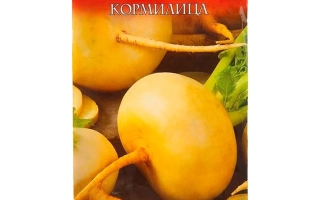
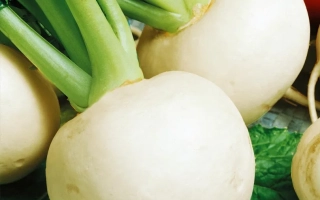
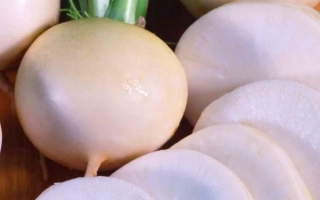
The 'Snow White' turnip is a medium-maturing vegetable with a maturation period from emergence to technical maturity of about 70-72 days. The roots of this variety are round in shape, white in color, weighing from 160 to 300 grams, with tender, juicy, and white flesh without bitterness or coarse fibers. Due to its taste qualities and lack of strong odor, 'Snow White' turnip is widely used fresh, a…
Root vegetable color
White
Meat
Soft, Juicy, White
Root vegetable shape
Round
Root vegetable mass, g
200, 250, 300
Description
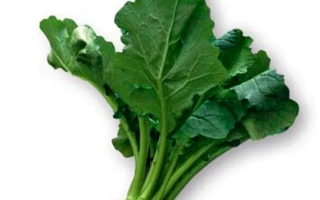
The 'Snow White' turnip is a medium-maturing vegetable with a maturation period from emergence to technical maturity of about 70-72 days. The roots of this variety are round in shape, white in color, weighing from 160 to 300 grams, with tender, juicy, and white flesh without bitterness or coarse fibers. Due to its taste qualities and lack of strong odor, 'Snow White' turnip is widely used fresh, and also suitable for frying, roasting, stewing, and stuffing. The leaves of the plant are also edible and rich in vitamins, making this variety a versatile and beneficial product.
The variety is distinguished by high yield, reaching up to 4.5 kg per square meter, as well as good storability and marketability of the roots. Turnip is resistant to flowering and shade-tolerant, which facilitates its cultivation under various conditions. The flesh contains important trace elements and vitamins, including potassium, iron, vitamins C, PP, B1, B2, carotene, and succinic acid, which contribute to strengthening health with regular consumption.
For successful cultivation, seeds are sown at the end of April – beginning of May or in June-July, maintaining a sowing depth of 1.5-2 cm. It is recommended to maintain a distance of 10-15 cm between plants in a row, and 20-25 cm between rows. During the vegetation period, the soil is loosened, weeds are removed, and regular watering is carried out, as turnip prefers moist soil. To protect against pests, the area is dusted with ash. After the fourth true leaf appears, seedlings are thinned, leaving 5-10 cm between plants. Root crops are harvested selectively as they mature.
The variety is distinguished by high yield, reaching up to 4.5 kg per square meter, as well as good storability and marketability of the roots. Turnip is resistant to flowering and shade-tolerant, which facilitates its cultivation under various conditions. The flesh contains important trace elements and vitamins, including potassium, iron, vitamins C, PP, B1, B2, carotene, and succinic acid, which contribute to strengthening health with regular consumption.
For successful cultivation, seeds are sown at the end of April – beginning of May or in June-July, maintaining a sowing depth of 1.5-2 cm. It is recommended to maintain a distance of 10-15 cm between plants in a row, and 20-25 cm between rows. During the vegetation period, the soil is loosened, weeds are removed, and regular watering is carried out, as turnip prefers moist soil. To protect against pests, the area is dusted with ash. After the fourth true leaf appears, seedlings are thinned, leaving 5-10 cm between plants. Root crops are harvested selectively as they mature.
Crop & resistance
Crop
Specifications hover over for a hint about the specification
| Root vegetable color | |
|---|---|
| Meat | |
| Root vegetable shape | |
| Root vegetable mass, g | 200, 250, 300 |
| Assignment | |
|
Yield
Yield
Overall bulb harvest per unit area. Depends on both onion variety characteristics and agronomic practices, fertilizers, and irrigation. Under optimal growing conditions, an onion yield of 100 tons per hectare and above is not considered record-breaking. |
4.5 |
| Recommended planting density (plants per m²) | 20, 25 |
| Features | |
| Registration year | 2007 |
| Catalog | Catalog → Turnip |
| Manufacturer | ZAO 'KOMPANIYa LANS' |
| Legal data |
Show · 1
|
| Country | Russia |
Store offers
Prices are updated on loadLoading offers…
Aggregator catalog: prices are collected automatically from store websites, normalized by AI and converted at the current exchange rate. Before ordering, confirm the price and availability on the store's website. This block is not indexed by search engines — the data is loaded after the page opens.
Not yet комментариев. Be the first!




See also
Often considered together with this variety






Recently viewed
Products you’ve viewed on this site
Reviews · 0