


SKU #47091
·
82 views
Oleksandra
Triticale
User rating
0 votes0% positive reviews
No ratings yet — be the first.
Type
Winter triticale
Registration year
2020
About product

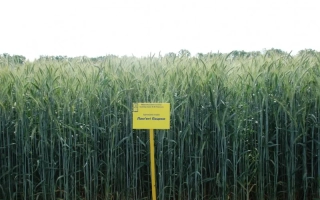
A high-yielding winter triticale variety by the Yuriev Institute, featuring superior resistance to rust, septoria, and fusarium.
Type
Winter triticale
Registration year
2020
Description
Winter Triticale «Oleksandra»: Ukrainian Breeding Excellence
Developed by the V. Ya. Yuriev Institute of Plant Production of the NAAS, the «Oleksandra» winter triticale variety represents a robust solution for modern farming. Designed specifically for the Ukrainian agro-climatic environment, this variety has gained a reputation for combining high production yields with the stability required in intensive agricultural systems.
Disease Resistance and Farm Performance
In the current context of crop protection, «Oleksandra» offers a significant competitive advantage through its genetic resistance to major grain pathogens. Field performance tests confirm high resilience against the following threats:
- Wheat leaf rust (Puccinia triticina);
- Septoria leaf blotch;
- Fusarium head blight;
- Powdery mildew.
By effectively mitigating these risks, the variety allows farmers to optimize their fungicide programs, reducing total production costs while maintaining crop health throughout the vegetation period.
Application and Market Position
«Oleksandra» is primarily positioned as a high-value feed crop. Due to its balanced amino acid profile, it is an ideal base for high-quality animal feed production. Its winter growth habit allows it to make optimal use of autumn and spring moisture, ensuring consistent performance. Whether used as a primary grain source for livestock or as a rotational crop, it serves as a reliable asset for agricultural enterprises looking for predictability and high feed value.
Crop & resistance
Disease resistance
Specifications hover over for a hint about the specification
|
Type
Type
Galia (Galia) type — relatively new, of Israeli origin, although there are indications that this variety may originate from Spain. The fruits of this type are round or oval, weighing about 1 kg. The surface is smooth, covered with a delicate, connected netting, turning yellow whe... |
|
|---|---|
| Registration year | 2020 |
| Catalog | Catalog → Triticale |
| Legal data |
Show · 1
|
| Country | Ukraine |
Store offers
Prices are updated on loadLoading offers…
Aggregator catalog: prices are collected automatically from store websites, normalized by AI and converted at the current exchange rate. Before ordering, confirm the price and availability on the store's website. This block is not indexed by search engines — the data is loaded after the page opens.
Not yet комментариев. Be the first!
Alternatives
Triticale seeds · similar varieties


See also
Often considered together with this variety



Recently viewed
Products you’ve viewed on this site
Reviews · 0