

SKU #73004
·
69 views
Tarragon NARN
Tarragon
Prices in stores
No offers yet — stores have not added prices for this product yet.
Similar varieties with prices
-
GREEN LEAFNauchno-proizvodstvennaya firma Rossiyskiye Semena
from 13.64 €per 1 kg
-
 KING OF HERBS
from 3.33 €per 1 kg
KING OF HERBS
from 3.33 €per 1 kg
-
 MonarchAgrofirma Poisk
from 1 200 €per 1 kg
MonarchAgrofirma Poisk
from 1 200 €per 1 kg
-
 ZULEBINSKIJ SEMKOSemko-Yunior
from 127.38 €per 1 kg
ZULEBINSKIJ SEMKOSemko-Yunior
from 127.38 €per 1 kg
Flavor
Spicy
Scent
Bright
Usage
Culinary, Medicine, Drinks
Registration year
2006
Your mark
0 votes
0% positive ratings
About product
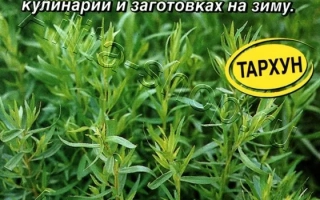
A high-performance tarragon variety with an intense aromatic profile for culinary, beverage, and medical use.
Description
The «Narn» Tarragon: Reliable Yields for Industrial Quality
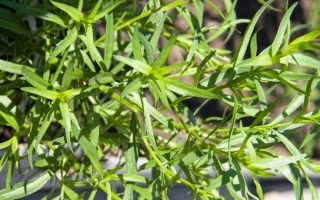
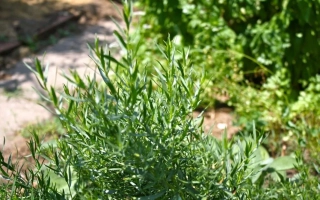
Developed by the Caspian Agrarian Federal Scientific Center, the "Narn" tarragon variety represents a consistent, high-performance crop choice for commercial farming. Unlike wild alternatives, "Narn" is bred specifically for high yield stability and a standardized aromatic profile, making it a reliable asset for producers who demand uniformity in their supply chains.
Practical Utility in Modern Agriculture
Choosing "Narn" allows growers to tap into several high-value sectors:
- Culinary and Retail Markets: Its sharp, spicy taste and potent fragrance make it an ideal choice for fresh-cut herb markets, as well as for commercial pickling and preserving. Its ability to retain flavor after dehydration makes it a versatile product for dried seasoning production.
- Beverage and Food Industry: The intense aromatic profile is highly prized by producers of artisanal sodas, flavored spirits, and herbal tea blends. The consistency of the essential oil composition ensures the final product meets industrial quality standards.
- Medicinal Applications: High biological activity of the plant tissues allows for its use as a raw material in pharmaceutical processing and the production of health-oriented herbal supplements.
For farm management, "Narn" provides predictable performance. By optimizing harvesting intervals and irrigation protocols, producers can maximize the concentration of aromatic oils. This variety is designed for operations that require a balance between high output and premium quality, serving both local fresh markets and larger-scale industrial extraction facilities.
Crop & resistance
Crop
Specifications
| Flavor | |
|---|---|
| Scent | |
| Usage | |
| Registration year | 2006 |
| Catalog | Catalog → Tarragon |
| Legal data |
Show · 1 |
| Country | Russia |
No reviews yet. Be the first to share your experience.




See also
Often considered together with this variety






Recently viewed
Products you’ve viewed on this site
Reviews