


SKU #73014
·
59 views
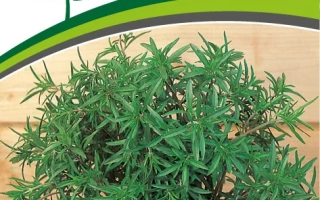
SAGE AROMA
Savory
SedekUser rating
0 votes0% positive reviews
No ratings yet — be the first.
Herbs
Chabre
Growth Type
Annual herbaceous plant
Plant Height
20-30 cm
Flavor and Aroma
Spicy, pungent aroma
About product

A compact variety with a vibrant peppery taste, essential for canning and enhancing meat dishes.
Herbs
Chabre
Growth Type
Annual herbaceous plant
Plant Height
20-30 cm
Flavor and Aroma
Spicy, pungent aroma
Description
A Spicy Accent for Your Garden: «Perechnyiy Aromat» Savory
For those who value distinct spices over simple greenery in their cooking, the «Sedek» agricultural firm offers the «Perechnyiy Aromat» (Pepper Aroma) savory variety. This plant is the result of the breeding work of Anatoly Lukyanenko, Sergey Dubinin, and Irina Dubinina. Within the «Sedek» portfolio, this variety occupies a niche for compact annuals that are ideal for both garden beds and container gardening on windowsills.
Agronomics and Appearance
«Perechnyiy Aromat» is a classic representative of annual savory. The plant grows to 20–30 cm, forming a lush bush with an abundance of small, fragrant leaves. Its compact height makes it excellent as a filler in vegetable patches or even for border planting.
- Type: annual herbaceous plant.
- Height: compact, up to 30 cm.
- Aroma: distinct peppery undertones.
Culinary Application
The variety’s name is no coincidence. Unlike softer herbs, this savory features a characteristic «zest» reminiscent of black pepper. This makes it an indispensable component for home canning—it is hard to imagine classic marinades for pickles or tomatoes without it. The greens also perfectly complement legumes, meat stews, and homemade pâtés, adding significant depth to the flavor profile.
The breeders at «Sedek» focused on versatility: the variety is low-maintenance, develops foliage quickly, and is ready for harvest just weeks after germination. By choosing «Perechnyiy Aromat», you are securing consistent results from a trusted Russian breeding program.
Crop & resistance
Crop
Specifications
| Herbs | |
|---|---|
| Growth Type | |
| Plant Height | 20-30 cm |
| Flavor and Aroma | |
| Assignment | |
| Registration year | 2008 |
| Catalog | Catalog → Savory |
| Manufacturer | Sedek |
| Legal data |
Show · 3
|
| Country | Russia |
Store offers
Prices are updated on loadLoading offers…
Aggregator catalog: prices are collected automatically from store websites, normalized by AI and converted at the current exchange rate. Before ordering, confirm the price and availability on the store's website. This block is not indexed by search engines — the data is loaded after the page opens.
Not yet комментариев. Be the first!


See also
Often considered together with this variety






Recently viewed
Products you’ve viewed on this site
Reviews · 0