


SKU #36094
·
31 views
Nallimi
Sunflower
R2NUser rating
0 votes0% positive reviews
No ratings yet — be the first.
Hybrid Type
Simple Hybrid
Oil Content
45-50%
Seeds; color
Black
Seeds; shape
Narrow-ovoid
About product

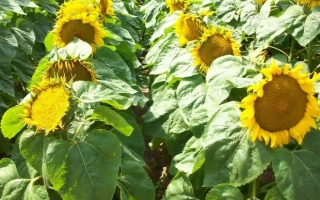
Nallimi sunflower is a simple hybrid included in the State Register for the Lower Volga region. The plant is characterized by low stature and lack of branching, with strong pubescence on the upper part of the stem. Leaves are medium-sized, heart-shaped, green, without or with weak blistering and medium serration. The head is small, half-turned downward when mature, the seed is small, broadly oval…
Hybrid Type
Simple Hybrid
Oil Content
45-50%
Seeds; color
Black
Seeds; shape
Narrow-ovoid
Description
Nallimi sunflower is a simple hybrid included in the State Register for the Lower Volga region. The plant is characterized by low stature and lack of branching, with strong pubescence on the upper part of the stem. Leaves are medium-sized, heart-shaped, green, without or with weak blistering and medium serration. The head is small, half-turned downward when mature, the seed is small, broadly oval in shape, with black base color and gray stripes along the edges and sides. The seed surface is convex, while ray and disc florets are yellow, with very weak anthocyanin coloration of the stigma. Flowering period is medium. Average yield of the hybrid in the region is 20.9 c/ha, with maximum yield reaching 28.3 c/ha on the Kalinin trial plot in Saratov region in 2009. Fat content in seeds averages 48.0%. The hybrid is resistant to herbicides of the imidazolinone group, facilitating weed control and enhancing agronomic efficiency. Nallimi sunflower exhibits good adaptability to various growing conditions and resistance to major sunflower diseases, including Phomopsis, rust, and false powdery mildew, as well as sunflower moth. The hybrid demonstrates high resistance to lodging, drought, and shattering, contributing to stable yields. Average vegetation period is approximately 114–116 days, making it suitable for medium-maturing agronomic practices.
Crop & resistance
Crop
Disease resistance
Pest resistance
Specifications hover over for a hint about the specification
| Hybrid Type | |
|---|---|
| Oil Content | 45-50% |
| Seeds; color | |
| Seeds; shape | |
| Seeds; size | |
| Vegetation Period | 110-120 days |
| Plant; height | 90-100 cm |
| Basket; shape | |
| Basket; size | |
|
Herbicide Tolerance
Herbicide Tolerance
Unique combination of the herbicide EURO-LIGHTNING®, containing two active ingredients of the imidazolinone class, and high-yielding hybrids resistant to this herbicide, developed using traditional selection methods (without genetic engineering). Advantages of using CLEARFIELD te... |
|
| Registration year | 2009 |
| Catalog | Catalog → Sunflower |
| Manufacturer | R2N |
| Country | France |
Store offers
Prices are updated on loadLoading offers…
Aggregator catalog: prices are collected automatically from store websites, normalized by AI and converted at the current exchange rate. Before ordering, confirm the price and availability on the store's website. This block is not indexed by search engines — the data is loaded after the page opens.
Not yet комментариев. Be the first!
Alternatives
Sunflower seeds · similar varieties




See also
Often considered together with this variety








Recently viewed
Products you’ve viewed on this site
Reviews · 0