


SKU #43479
·
41 views
Khorol
Sugar Beet
User rating
0 votes0% positive reviews
No ratings yet — be the first.
Root vegetable; size
Large
Root; shape
Oval-conical
Sugar Content
23-24%
Registration year
2009
About product

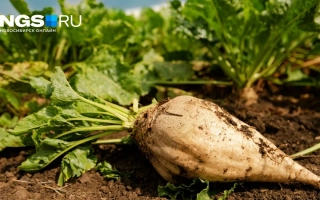
Beetroot of the Horol variety is an important technical crop used in the sugar industry to obtain raw material with high sugar content — up to 23%. The root is elongated, oval-conical in shape, with white, dense flesh, weighing on average from 300 to 600 grams. The plant forms a rosette of medium-sized, light-green or dark-green, spreading leaves. Optimal conditions for seed germination are temper…
Root vegetable; size
Large
Root; shape
Oval-conical
Sugar Content
23-24%
Registration year
2009
Description
Beetroot of the Horol variety is an important technical crop used in the sugar industry to obtain raw material with high sugar content — up to 23%. The root is elongated, oval-conical in shape, with white, dense flesh, weighing on average from 300 to 600 grams. The plant forms a rosette of medium-sized, light-green or dark-green, spreading leaves. Optimal conditions for seed germination are temperatures of 10–12 °C, while for growth and development — 20–22 °C. Seedlings are sensitive to frost and die at temperatures around −4–−5 °C. Sugar content in the roots directly depends on the number of sunny days from August to October, and the best yields are achieved on chernozem soils.
Beetroot of the Horol variety is characterized by high resistance to drought, cold, various diseases, and bolting, ensuring good storability and stable yields. It is recommended for cultivation with medium harvest times. Due to its characteristics, this variety is suitable for efficient sugar and other processing product production.
In addition to sugar production, processing beetroot of the Horol variety allows for the use of all parts of the plant without waste. Besides sugar, beetroot yields molasses, pulp, and distillers' grains. Molasses is used in the production of alcohol, glycerin, citric acid, yeast, and organic acids. Distillers' grains serve as a valuable fertilizer, while pulp is used as feed for livestock. Ethanol is also produced from sugar beet, which can serve as an alternative fuel, replacing diesel fuel.
Beetroot of the Horol variety is characterized by high resistance to drought, cold, various diseases, and bolting, ensuring good storability and stable yields. It is recommended for cultivation with medium harvest times. Due to its characteristics, this variety is suitable for efficient sugar and other processing product production.
In addition to sugar production, processing beetroot of the Horol variety allows for the use of all parts of the plant without waste. Besides sugar, beetroot yields molasses, pulp, and distillers' grains. Molasses is used in the production of alcohol, glycerin, citric acid, yeast, and organic acids. Distillers' grains serve as a valuable fertilizer, while pulp is used as feed for livestock. Ethanol is also produced from sugar beet, which can serve as an alternative fuel, replacing diesel fuel.
Crop & resistance
Crop
Specifications hover over for a hint about the specification
| Root vegetable; size | |
|---|---|
|
Root; shape
Root; shape
Roots can be round, elongated-round, cylindrical, conical. |
|
| Sugar Content | 23-24% |
| Registration year | 2009 |
| Catalog | Catalog → Sugar Beet |
| Legal data |
Show · 1
|
| Country | Ukraine |
Store offers
Prices are updated on loadLoading offers…
Aggregator catalog: prices are collected automatically from store websites, normalized by AI and converted at the current exchange rate. Before ordering, confirm the price and availability on the store's website. This block is not indexed by search engines — the data is loaded after the page opens.
Not yet комментариев. Be the first!
Alternatives
Sugar beet seeds · similar varieties


See also
Often considered together with this variety






Recently viewed
Products you’ve viewed on this site
Reviews · 0