


Growing Season
Up to 90 days
Plant: Height of Lower Pod Attachment
12-14cm
Seeds: oil content
21-22%
Seeds: protein content
39-41%
Your mark
0 votes
0% positive ratings
Store offers · 1 from 1 store
1 offer in 1 store — from 0.39 € per 1 kg.
Available at: Свое Фермерство
Prices are collected automatically from store websites and converted at the current exchange rate. Check the price and availability on the store website before ordering.
Description
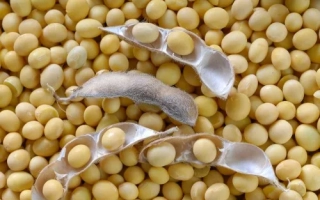
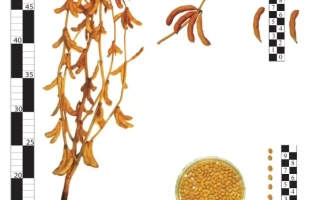
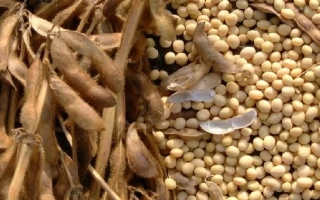
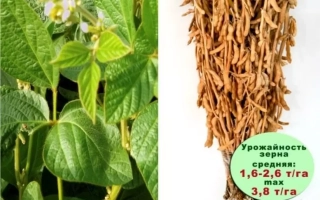
Shama soybean variety is an early-maturing, high-yielding cultivar included in the State Register for the North Caucasus region. The plant has a semi-determinate or indeterminate growth type, allowing it to continue growing until adverse conditions occur. The stem is semi-upright with reddish-brown pubescence; leaves are medium size ovate green, and flowers have purple coloration. Lower pod attachment height is about 12.5 cm from the ground, and pods themselves are light to medium brown.
Shama variety stands out for its high yield: the average rate is 17.8 centners per hectare, with a maximum yield reaching 42.0 centners per hectare. The weight of 1000 seeds is about 160 grams. Seed protein content is 39.3%, which significantly exceeds standard rates, and fat content reaches 21.5%. Due to these characteristics, the variety provides a high harvest of protein and oil, making it attractive for agricultural production.
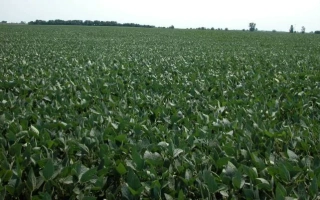
For successful cultivation of Shama variety, warm climate and well-lit areas are recommended. The plant is adapted to various types of soil, but develops best on light and fertile soils with good drainage system. These features, along with its high productivity and qualitative seed indices make the Shama variety a profitable choice for farmers aiming at obtaining high quality soybean raw materials.
Shama variety stands out for its high yield: the average rate is 17.8 centners per hectare, with a maximum yield reaching 42.0 centners per hectare. The weight of 1000 seeds is about 160 grams. Seed protein content is 39.3%, which significantly exceeds standard rates, and fat content reaches 21.5%. Due to these characteristics, the variety provides a high harvest of protein and oil, making it attractive for agricultural production.
For successful cultivation of Shama variety, warm climate and well-lit areas are recommended. The plant is adapted to various types of soil, but develops best on light and fertile soils with good drainage system. These features, along with its high productivity and qualitative seed indices make the Shama variety a profitable choice for farmers aiming at obtaining high quality soybean raw materials.
Crop & resistance
Crop
Disease resistance
Specifications
| Growing Season | Up to 90 days |
|---|---|
| Plant: Height of Lower Pod Attachment | 12-14cm |
| Seeds: oil content | 21-22% |
| Seeds: protein content | 39-41% |
| Registration year | 2012 |
| Catalog | Catalog → Soybean |
| Manufacturer | RAGT |
| Legal data |
Show · 7
|
| Country | France |
No reviews yet. Be the first to share your experience.
Alternatives
Soybean seeds · similar varieties




See also
Often considered together with this variety







Recently viewed
Products you’ve viewed on this site
Reviews