


SKU #63644
·
65 views
TAIGA
Soybean
Sevita GeneticsUser rating
0 votes0% positive reviews
No ratings yet — be the first.
Growing Season
100-110 days
Plant; plant height
50-60cm
Seeds: oil content
17-18%
Seeds: protein content
41-43%
About product

Taiga soybean is an early-maturing, high-protein variety included in the State Register for the Far Eastern region. The vegetative period is 106 days, allowing for harvest within a relatively short timeframe. The plant is indeterminate type, medium height, about 60 cm, with characteristic features: hypocotyl with anthocyanin coloring, reddish-brown pubescence on the main stem, purple flowers, and…
Growing Season
100-110 days
Plant; plant height
50-60cm
Seeds: oil content
17-18%
Seeds: protein content
41-43%
Description
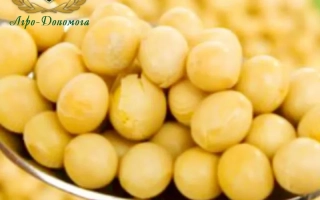
Taiga soybean is an early-maturing, high-protein variety included in the State Register for the Far Eastern region. The vegetative period is 106 days, allowing for harvest within a relatively short timeframe. The plant is indeterminate type, medium height, about 60 cm, with characteristic features: hypocotyl with anthocyanin coloring, reddish-brown pubescence on the main stem, purple flowers, and yellow seeds with a yellow hilum. The mass of 1000 seeds reaches 184 grams, indicating the large-fruited nature of the variety.
Taiga soybean variety is characterized by high protein content in seeds — 42.15%, as well as a significant level of fat — 17.78%, making it attractive for use in food and feed industries. The yield of the variety is high and stable: average indicators for the region reach 19.2 c/ha, while in the Amur Oblast, yield can reach 21.9 c/ha, and maximum values — 32.7 c/ha, confirming the high potential of the variety under optimal growing conditions.
Furthermore, the variety has enhanced cold hardiness and rapid initial growth, which contributes to successful development in the Far East conditions. Taiga is resistant to major diseases, including white mold and phytophthora, as well as lodging, ensuring crop preservation and reducing losses. The recommended sowing rate is 500,000 seeds per hectare, which allows optimizing planting density and increasing production efficiency.
Taiga soybean variety is characterized by high protein content in seeds — 42.15%, as well as a significant level of fat — 17.78%, making it attractive for use in food and feed industries. The yield of the variety is high and stable: average indicators for the region reach 19.2 c/ha, while in the Amur Oblast, yield can reach 21.9 c/ha, and maximum values — 32.7 c/ha, confirming the high potential of the variety under optimal growing conditions.
Furthermore, the variety has enhanced cold hardiness and rapid initial growth, which contributes to successful development in the Far East conditions. Taiga is resistant to major diseases, including white mold and phytophthora, as well as lodging, ensuring crop preservation and reducing losses. The recommended sowing rate is 500,000 seeds per hectare, which allows optimizing planting density and increasing production efficiency.
Crop & resistance
Crop
Disease resistance
Specifications
| Growing Season | 100-110 days |
|---|---|
| Plant; plant height | 50-60cm |
| Seeds: oil content | 17-18% |
| Seeds: protein content | 41-43% |
| Registration year | 2019 |
| Catalog | Catalog → Soybean |
| Manufacturer | Sevita Genetics |
| Legal data |
Show · 1
|
| Country | Russia |
Store offers
Prices are updated on loadLoading offers…
Aggregator catalog: prices are collected automatically from store websites, normalized by AI and converted at the current exchange rate. Before ordering, confirm the price and availability on the store's website. This block is not indexed by search engines — the data is loaded after the page opens.
Not yet комментариев. Be the first!
Alternatives
Soybean seeds · similar varieties




See also
Often considered together with this variety







Recently viewed
Products you’ve viewed on this site
Reviews · 0