


SKU #46670
·
34 views
Sorghum Pochin II
Sorghum
Prices in stores
No offers yet — stores have not added prices for this product yet.
Similar varieties with prices
-
CactusSyngenta
from 453.2 €per 1 kg
-
 MohawkPeter Bohdan Chykaliuk
from 4.07 €per 1 kg
MohawkPeter Bohdan Chykaliuk
from 4.07 €per 1 kg
-
 Sentinel IGADVANTA
from 24.91 €per 1 kg
Sentinel IGADVANTA
from 24.91 €per 1 kg
-
 SilokingINSTITUT ZA RATARSTVO I POVRTARSTVO
from 9 937.63 €
SilokingINSTITUT ZA RATARSTVO I POVRTARSTVO
from 9 937.63 €
Direction
Grain, Hay, Silage
Registration year
2004
Your mark
0 votes
0% positive ratings
About product
A versatile sorghum variety for consistent grain, silage, and hay yields with excellent lodging resistance.
Description
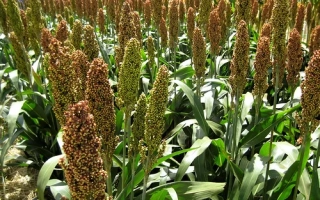
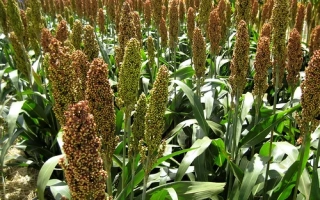
Field Performance of the "Pochyn II" Sorghum
Working with the "Pochyn II" sorghum variety from the Synelnykove Research Station reveals its true versatility. For a machine operator, this variety is a pleasure to handle: it features a strong, upright stalk that prevents lodging, making harvest straightforward and efficient. When harvesting for grain, the variety is easy to thresh, requiring only standard header and drum adjustments, which saves time and minimizes grain loss during operation.
Operational Flexibility
The primary advantage of this variety is its dual-purpose nature. Whether you need high-quality grain, hay, or silage, "Pochyn II" delivers consistent results. When harvesting for silage, it produces a reliable volume of biomass. The variety demonstrates excellent regrowth potential after mowing, provided soil moisture is adequate. For a farm manager, this flexibility means you can pivot your end-product strategy based on the current market situation without needing to change your entire planting cycle.
Economic Viability and Maintenance
"Pochyn II" is characterized by high drought tolerance, which is critical for minimizing risks in southern regions. From an agronomic perspective, it does not require overly complex management practices—standard cultural operations are sufficient. The variety shows great resilience; even if planting dates shift slightly, it remains plastic enough to compensate, ensuring a stable yield. The low maintenance requirements coupled with its adaptability make it a cost-effective choice for modern agricultural holdings.
- Harvest Efficiency: Strong stalks ensure smooth mechanical harvesting without unnecessary downtime.
- Multi-purpose Utility: One variety serves grain, hay, and silage production, maximizing asset utilization.
- Resilience: High drought resistance and adaptability provide a buffer against unpredictable weather conditions.
Crop & resistance
Crop
Specifications
| Direction | |
|---|---|
| Registration year | 2004 |
| Catalog | Catalog → Sorghum |
| Legal data |
Show · 1
|
| Country | Ukraine |
No reviews yet. Be the first to share your experience.
Alternatives
Sorghum seeds · similar varieties




See also
Often considered together with this variety




Recently viewed
Products you’ve viewed on this site
Reviews