
SKU #46677
·
84 views
Volodar
Buckwheat
Podilskyi DATUUser rating
0 votes0% positive reviews
No ratings yet — be the first.
Plant Height
70-80 cm, 80-90 cm, 90-100 cm
Growing Season
70-80 days, 80-90 days
Resistance to lodging
High
Registration year
2020
Prices in stores
from0.88 €per 1 kg
pack from 4.39 € per 5 kg
1 offer from 1 store
Store offers · 1 from 1 stores
Prices are updated on loadLoading offers…
Available at: AgroSemka
Aggregator catalog: prices are collected automatically from store websites, normalized by AI and converted at the current exchange rate. Before ordering, confirm the price and availability on the store's website. This block is not indexed by search engines — the data is loaded after the page opens.
About product
The Volodar buckwheat variety is one of the leading and high-yielding varieties, distinguished by high productivity, adaptability to various soil-climatic conditions, and outstanding nutritional qualities. The plant reaches a height of 70 to 100 cm, has a strong root system that efficiently utilizes soil resources, which is especially important under drought conditions. The upright, sturdy stem pr…
Plant Height
70-80 cm, 80-90 cm, 90-100 cm
Growing Season
70-80 days, 80-90 days
Resistance to lodging
High
Registration year
2020
Description
The Volodar buckwheat variety is one of the leading and high-yielding varieties, distinguished by high productivity, adaptability to various soil-climatic conditions, and outstanding nutritional qualities. The plant reaches a height of 70 to 100 cm, has a strong root system that efficiently utilizes soil resources, which is especially important under drought conditions. The upright, sturdy stem provides resistance to lodging, and the uniform flowering with pale-pink or white flowers promotes the production of large amounts of nectar, making this variety popular in beekeeping and the production of high-quality buckwheat honey.
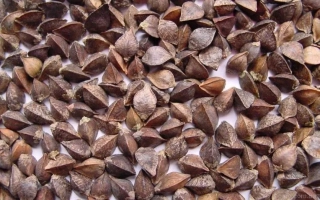
The growing period of this variety ranges from 75 to 90 days, with flowering beginning on day 28-30 after sowing. The fruits are medium-sized with a brown hue and weakly expressed wings; the seeds are characterized by high mass and quality: protein content varies from 12 to 18%, including important amino acids such as lysine, arginine, and tryptophan. The resulting groats are fluffy and possess excellent taste qualities. Moreover, the seeds contain a high level of amylose in starch, distinguishing them from other varieties.
The Volodar variety is characterized by high yield — under standard conditions, it yields 20-25 centners per hectare, and under intensive technologies, it can reach up to 30 centners per hectare and even maximum yields of around 38.5 centners per hectare. It is resistant to diseases and pests, tolerates various soil types, especially preferring light, fertile soils with neutral reaction. To achieve maximum yields, moderate irrigation during grain filling and optimal seeding density are recommended. Thanks to these qualities and versatility, buckwheat Volodar is one of the best varieties for cultivation under Ukrainian climate conditions.
The growing period of this variety ranges from 75 to 90 days, with flowering beginning on day 28-30 after sowing. The fruits are medium-sized with a brown hue and weakly expressed wings; the seeds are characterized by high mass and quality: protein content varies from 12 to 18%, including important amino acids such as lysine, arginine, and tryptophan. The resulting groats are fluffy and possess excellent taste qualities. Moreover, the seeds contain a high level of amylose in starch, distinguishing them from other varieties.
The Volodar variety is characterized by high yield — under standard conditions, it yields 20-25 centners per hectare, and under intensive technologies, it can reach up to 30 centners per hectare and even maximum yields of around 38.5 centners per hectare. It is resistant to diseases and pests, tolerates various soil types, especially preferring light, fertile soils with neutral reaction. To achieve maximum yields, moderate irrigation during grain filling and optimal seeding density are recommended. Thanks to these qualities and versatility, buckwheat Volodar is one of the best varieties for cultivation under Ukrainian climate conditions.
Specifications
| Plant Height | 70-80 cm, 80-90 cm, 90-100 cm |
|---|---|
| Growing Season | 70-80 days, 80-90 days |
| Resistance to lodging | |
| Registration year | 2020 |
| Catalog | Catalog → Buckwheat |
| Manufacturer | Podilskyi DATU |
| Country | Ukraine |
Not yet комментариев. Be the first!
Alternatives
Buckwheat seeds · similar varieties

STRELKA
ФГБНУ Федеральный Аграрный Научный Центр Северо-востока имени Н.В. Рудницкого
084 3 offers
0.88 €per 1 kg ≈ 45 ₴


See also
Often considered together with this variety





Recently viewed
Products you’ve viewed on this site
Reviews · 0