


SKU #46628
·
55 views
Sorghum Camel
Sorghum
Direction
Hay, Silage
Grain: Color
White, Red, Dark Brown
Grain: Starch Content
60-70%
Grain: Tannin Content
High
Your mark
0 votes
0% positive ratings
Store offers · 4 from 1 store
4 offers in 1 store — from 0.77 € per 1 kg.
Available at: hottabich-kiev-ua
Prices are collected automatically from store websites and converted at the current exchange rate. Check the price and availability on the store website before ordering.
Description
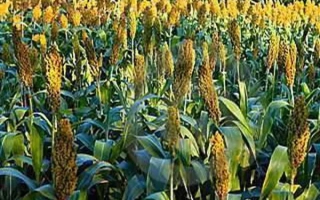
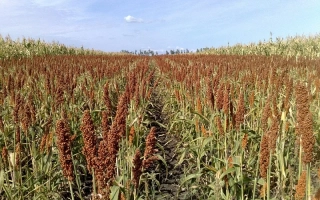
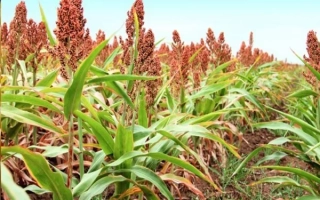
Sorghum is a hardy and highly productive cereal crop that adapts well to various soil types and is characterized by high drought resistance. It is warm-loving and can tolerate high soil salinity, making it a valuable plant for cultivation under challenging climatic conditions. Sorghum is widely used as animal feed for livestock, poultry, and fish, as well as in the food industry due to its high content of starch, protein, and fat in the grain.
Historically, sorghum is one of the oldest crops originating from India and China, where it was used as a cereal grain for flour production and baking. Today, sorghum is used not only in the food industry for producing flour, grits, alcohol, and syrup, but also in other sectors, such as for producing red dye and wax. The diversity of sorghum varieties is reflected in a wide spectrum of grain colors — from white and cream to red and brown — depending on the characteristics of the pericarp and seed coat.
Modern sorghum hybrids, such as high-yielding early-maturing varieties, demonstrate high yields and resistance to adverse factors. For example, yields in steppe regions reach 97.3 centners per hectare, and in forest-steppe regions — 85.2 centners per hectare. These hybrids exhibit high resistance to drought, lodging, and major pests, including helminthosporiosis, sooty mold, and stem rust. However, it should be noted that some sorghum varieties may contain toxic substances such as tannins and cyanic acid in their grain and green mass, so green mass is recommended to be wilted before feeding to animals to prevent poisoning.
Historically, sorghum is one of the oldest crops originating from India and China, where it was used as a cereal grain for flour production and baking. Today, sorghum is used not only in the food industry for producing flour, grits, alcohol, and syrup, but also in other sectors, such as for producing red dye and wax. The diversity of sorghum varieties is reflected in a wide spectrum of grain colors — from white and cream to red and brown — depending on the characteristics of the pericarp and seed coat.
Modern sorghum hybrids, such as high-yielding early-maturing varieties, demonstrate high yields and resistance to adverse factors. For example, yields in steppe regions reach 97.3 centners per hectare, and in forest-steppe regions — 85.2 centners per hectare. These hybrids exhibit high resistance to drought, lodging, and major pests, including helminthosporiosis, sooty mold, and stem rust. However, it should be noted that some sorghum varieties may contain toxic substances such as tannins and cyanic acid in their grain and green mass, so green mass is recommended to be wilted before feeding to animals to prevent poisoning.
Crop & resistance
Crop
Disease resistance
Pest resistance
Specifications
| Direction | |
|---|---|
| Grain | |
| Color | |
| Starch Content | 60-70% |
| Tannin Content | |
| Registration year | 2017 |
| Catalog | Catalog → Sorghum |
| Legal data |
Show · 1
|
| Country | Ukraine |
No reviews yet. Be the first to share your experience.
Alternatives
Sorghum seeds · similar varieties





See also
Often considered together with this variety




Recently viewed
Products you’ve viewed on this site
Reviews