


SKU #46630
·
55 views
G 1990
Sorghum
SyngentaUser rating
0 votes0% positive reviews
No ratings yet — be the first.
Direction
Silage
Registration year
2007
Store offers · 1 from 1 stores
Prices are updated on loadLoading offers…
Available at: СоюзАгроКонсалтинг
Aggregator catalog: prices are collected automatically from store websites, normalized by AI and converted at the current exchange rate. Before ordering, confirm the price and availability on the store's website. This block is not indexed by search engines — the data is loaded after the page opens.
About product

The G 1990 sorghum hybrid is a high-yielding, seedless sugar variety specifically developed for producing high-quality silage. Plants reach a height of 2.5-3 meters, have strong and succulent stems, as well as large, wide dark-green leaves. Due to its pronounced photoperiod sensitivity, the hybrid does not shed its foliage, helping to preserve green and succulent vegetative mass until frost. The v…
Direction
Silage
Registration year
2007
Description
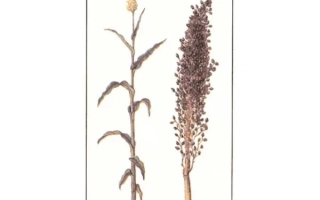
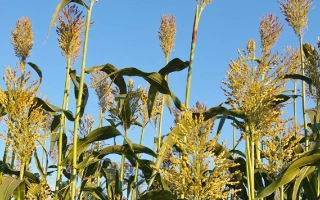
The G 1990 sorghum hybrid is a high-yielding, seedless sugar variety specifically developed for producing high-quality silage. Plants reach a height of 2.5-3 meters, have strong and succulent stems, as well as large, wide dark-green leaves. Due to its pronounced photoperiod sensitivity, the hybrid does not shed its foliage, helping to preserve green and succulent vegetative mass until frost. The vegetation period lasts 140-150 days, and its potential yield reaches 800-1200 c/ha. The plant contains a high sugar content — 20-21% — making it especially valuable for animal feed and biotechnology applications. The hybrid is adapted for cultivation in Steppe and Forest-Steppe zones with moderate and minimal moisture, where it demonstrates high drought resistance. In areas with insufficient water, it is recommended to plant in combination with corn using a 1:1 scheme (4 rows of corn and 4 rows of sorghum), ensuring stable yields even under adverse weather conditions. Sowing begins when the soil reaches the minimum safe temperature for seed germination. The hybrid exhibits high resistance to lodging and diseases, as well as high adaptability to various agronomic conditions. Sorghum G 1990 is a promising hybrid for use in animal husbandry and biotechnology. It is suitable for producing green feed, silage, grazing, as well as for obtaining biogas, bioethanol, and sorghum syrup. The plant regrows quickly after cutting, enabling multiple harvests per season. The recommended seeding rate is 180-250 thousand seeds per hectare, depending on specific climatic and agronomic conditions of the farm.
Crop & resistance
Crop
Specifications hover over for a hint about the specification
|
Direction
Direction
Existing varieties and types of cabbage are grown for fresh consumption, long-term storage, and technical processing. |
|
|---|---|
| Registration year | 2007 |
| Catalog | Catalog → Sorghum |
| Manufacturer | Syngenta |
| Country | Switzerland |
Not yet комментариев. Be the first!
Alternatives
Sorghum seeds · similar varieties




See also
Often considered together with this variety


Recently viewed
Products you’ve viewed on this site
Reviews · 0