


SKU #66369
·
36 views
Sorghum ASTRAKHAN SUGAR SORGHUM
Sorghum
Prices in stores
No offers yet — stores have not added prices for this product yet.
Similar varieties with prices
-
VOLZHSKOYE 4RosNIIPITI SK / Saratovskiy GUBI
from 49.43 €
-
 SABANTUYAgroplazma LTD.
from 0.74 €per 1 kg
SABANTUYAgroplazma LTD.
from 0.74 €per 1 kg
-
 CactusSyngenta
from 39.54 €per 1 kg
CactusSyngenta
from 39.54 €per 1 kg
-
 KatoPeter Bohdan Chykaliuk
from 13 €
KatoPeter Bohdan Chykaliuk
from 13 €
Direction
Hay, Silage
Vegetation Period
120-130 days
Grain: Color
Light Brown
Grain: Protein Content
11-12%
Your mark
0 votes
0% positive ratings
Description
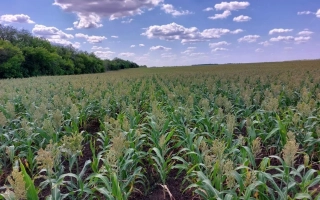
Astrakhan sugar sorghum is a medium-maturing variety of sugar sorghum (Sorghum bicolor) intended for use as a fodder crop. The plant is characterized by its tall stature, symmetrical medium-length and dense panicle. The leaves are green with a slight yellow tint, while the grain is elliptical, light brown in color, and has a starchy endosperm, ensuring high nutritional value. The weight of 1000 grains ranges from 14.2 to 19.8 grams. The variety demonstrates medium tolerance to lodging and drought, as well as weak susceptibility to bacterial leaf spot, contributing to stable dry matter yields exceeding the average standard.
Astrakhan sugar sorghum is widely used for producing various types of fodder: green fodder, hay, silage, and silageage. The high content of starch (up to 80%), protein (12-14%), and fat (3.5-4.5%) in the grain makes it a valuable source of nutrients for livestock. The yield of green mass can reach from 28 to 100 tons per hectare depending on growing conditions. Green fodder can be used both fresh and after drying, providing flexibility in feeding.
This variety is particularly suitable for fattening livestock, including pigs, due to its high fodder value. However, when using sorghum, one must consider the cyanogenic acid content, which can be hazardous to animals at certain developmental stages of the plant. Astrakhan sugar sorghum is a reliable choice for agricultural enterprises seeking high-yielding and quality animal feed.
Astrakhan sugar sorghum is widely used for producing various types of fodder: green fodder, hay, silage, and silageage. The high content of starch (up to 80%), protein (12-14%), and fat (3.5-4.5%) in the grain makes it a valuable source of nutrients for livestock. The yield of green mass can reach from 28 to 100 tons per hectare depending on growing conditions. Green fodder can be used both fresh and after drying, providing flexibility in feeding.
This variety is particularly suitable for fattening livestock, including pigs, due to its high fodder value. However, when using sorghum, one must consider the cyanogenic acid content, which can be hazardous to animals at certain developmental stages of the plant. Astrakhan sugar sorghum is a reliable choice for agricultural enterprises seeking high-yielding and quality animal feed.
Crop & resistance
Crop
Disease resistance
Specifications
| Direction | |
|---|---|
| Vegetation Period | 120-130 days |
| Grain | |
| Color | |
| Protein Content | 11-12% |
| Starch Content | 70-80% |
| Plant: height | 180-200cm |
| Registration year | 2010 |
| Catalog | Catalog → Sorghum |
| Legal data | |
| Country | Russia |
No reviews yet. Be the first to share your experience.
Alternatives
Sorghum seeds · similar varieties




See also
Often considered together with this variety


Recently viewed
Products you’ve viewed on this site
Reviews