
VYATKA 2
FGBNU Federal Agrarian Scientific Center of the North-East named after N.V. Rudnitsky
038 1 offer
221.19 € ≈ 11 270 ₴


Rye
No offers yet — stores have not added prices for this product yet.
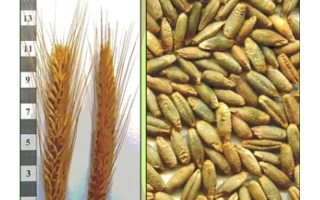
VYATKA 2FGBNU Federal Agrarian Scientific Center of the North-East named after N.V. Rudnitsky
from 221.19 €
 Kharkivskoye 98
from 0.21 €per 1 kg
Kharkivskoye 98
from 0.21 €per 1 kg
 Kharkivske 98
from 253.05 €
Kharkivske 98
from 253.05 €
 PARCHAVerkhnevolzhsky FANTS
from 1.84 €
PARCHAVerkhnevolzhsky FANTS
from 1.84 €
| Type | |
|---|---|
| Maturation Period | Mid-season variety |
| Registration year | 2015 |
| Catalog | Catalog → Rye |
| Legal data |
Show · 1 |
| Country | Russia |
No reviews yet. Be the first to share your experience.


Often considered together with this variety


Products you’ve viewed on this site
Reviews