


SKU #71660
·
63 views
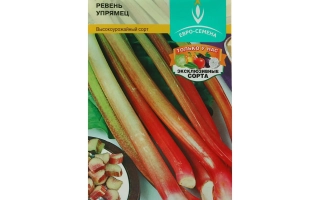
LARGE-STALKED RHEUM
Rhubarb
User rating
0 votes0% positive reviews
No ratings yet — be the first.
Stem Length, cm
50-70
Assignment
Fresh Processing, For jams and jellies
Registration year
1976
Store offers · 1 from 1 stores
Prices are updated on loadLoading offers…
Available at: Ogorod · Uagorod
Aggregator catalog: prices are collected automatically from store websites, normalized by AI and converted at the current exchange rate. Before ordering, confirm the price and availability on the store's website. This block is not indexed by search engines — the data is loaded after the page opens.
About product

Robust stalks up to 70 cm perfect for high-yield processing and gourmet preserves.
Stem Length, cm
50-70
Assignment
Fresh Processing, For jams and jellies
Registration year
1976
Description
Focus on Productivity: Why This Rhubarb is a Pro Choice
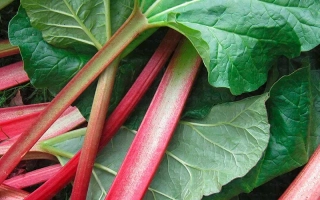
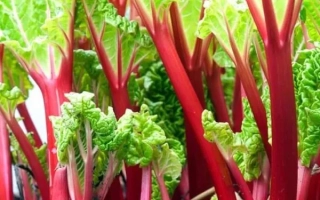
The "Krupnocherezhkovy" (Large-Stalked) variety, developed by the Russian Federal Scientific Center for Vegetable Growing, is designed for those who view rhubarb cultivation as a source of commercial produce. Its main advantage is implied by its name: a powerful leaf rosette forms substantial stalks reaching 50 to 70 cm in length. In commercial or intensive gardening, this translates to a high yield per square meter.
Culinary Potential and Processing
Unlike early varieties with thin, fibrous stems, "Krupnocherezhkovy" features dense, succulent flesh that behaves perfectly during heat treatment. It is the #1 choice for:
- Rich compotes: the density of the stalks allows them to retain their shape instead of turning into mush.
- Home and commercial canning: the variety is excellent for jams where texture preservation is key.
- Fresh consumption: with proper cultivation, the stalks offer a balanced sweet-and-sour flavor without excessive stringiness.
Strengths and Weaknesses
Advantages: High yield due to the physical parameters of the stalks; predictable results due to official breeding standards; stability during culinary processing.
Agricultural nuances: Like any large-stalked variety, this rhubarb requires fertile soil and sufficient moisture. To achieve the stated 70 cm length, regular irrigation and organic mulching are essential; otherwise, the stalks will lose size by the second year of the plantation's life cycle.
This variety is optimal for farmers focused on stable raw material supply for the processing industry, as well as gardeners who value a rational approach: fewer plants, but maximum harvest for jams and pantry stocks.
Specifications
| Stem Length, cm | 50-70 |
|---|---|
| Assignment | |
| Registration year | 1976 |
| Catalog | Catalog → Rhubarb |
| Legal data |
Show · 1 |
| Country | Russia |
Not yet комментариев. Be the first!



See also
Often considered together with this variety





Recently viewed
Products you’ve viewed on this site
Reviews · 0