

SOLNYSHKO
ФГБНУ Федеральный Аграрный Научный Центр Северо-востока имени Н.В. Рудницкого
047 1 offer
12.54 €per 1 kg ≈ 646 ₴


Bird's-foot Trefoil
OOO SP 'AGROSEMPOSTAVKA'Available at: Village-Agro · Все Росте
Aggregator catalog: prices are collected automatically from store websites, normalized by AI and converted at the current exchange rate. Before ordering, confirm the price and availability on the store's website. This block is not indexed by search engines — the data is loaded after the page opens.

A reliable source of plant protein with up to 20% protein content for high-yield, durable pastures.
In the landscape of perennial legumes, the «Irzha» variety stands out as a specialized solution for creating high-protein hayfields and pastures. Developed through the collaboration of Ooo Vpered Spasskogo R-na and Ooo Sp Agrosempostavka, this variety is engineered to thrive in diverse soil conditions, offering a reliable forage source where more demanding species like alfalfa might fail.
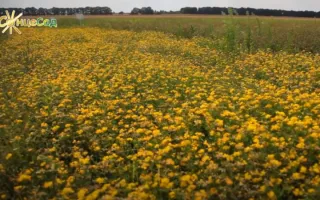
Lotus corniculatus (birdsfoot trefoil), represented here by the «Irzha» variety, is highly valued for its adaptability. It is particularly effective on soils that are acidic or prone to temporary waterlogging, making it an essential component for diverse crop rotation and sustainable land management.
The market reputation of «Irzha» is built on its longevity and persistence. Unlike ephemeral forage crops, a stand established with this variety remains productive over several years, which significantly optimizes soil management costs. For producers working with Ooo Sp Agrosempostavka, this variety serves as a cornerstone for reliable forage production, especially in areas where ecological grazing is prioritized. Its ability to recover quickly after mowing or grazing makes it a staple for intensive pasture systems.
Choosing «Irzha» means prioritizing feed consistency. By maintaining high protein levels, farmers can reduce their dependency on supplementary concentrates, thereby improving the overall economic efficiency of their operations. As a well-vetted variety with a clear lineage from the originator and the manufacturer, it remains a trusted choice for agricultural managers aiming for stable, long-term yields.
| Protein content in dry matter (%) | 15-20 |
|---|---|
| Sowing Rate (kg/ha) | 15 |
| Registration year | 2018 |
| Catalog | Catalog → Bird's-foot Trefoil |
| Manufacturer | OOO SP 'AGROSEMPOSTAVKA' |
| Legal data |
Show · 10
|
| Country | Russia |
Not yet комментариев. Be the first!
Often considered together with this variety




Products you’ve viewed on this site
Reviews · 0