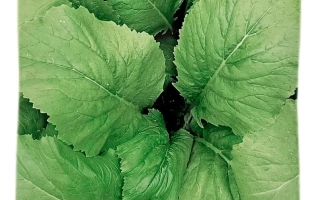
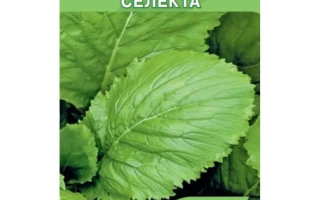
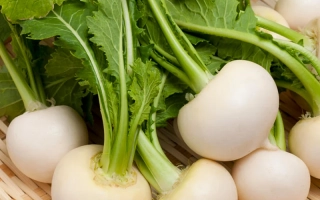
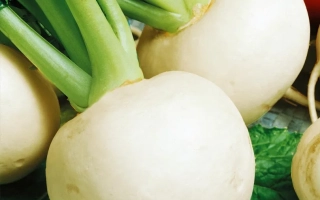
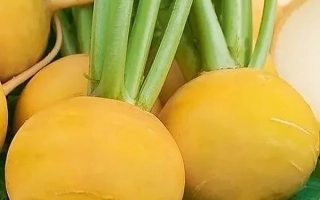
Purple Primorya turnip is an early-maturing and high-yielding vegetable from the cruciferous family, distinguished by the bright purple color of its root crops and a sweet, slightly spicy taste. Plants reach a height of 30–45 cm, and the root crops have an oval-round shape measuring 10–15 cm in length with dense flesh free of seeds. The period from germination to maturity is about 38–40 days, allowing this variety to be grown in two to three rotations per season depending on regional climatic conditions. Purple turnip is resistant to adverse weather conditions and a number of diseases, making it a simple and reliable crop for open ground. For successful cultivation, it is recommended to use loose, fertile soil with a pH level from 6 to 7.5, enriched with compost or manure. Seeds are sown at a depth of 2–3 cm with a row spacing of 30–40 cm. An important condition is regular watering, especially during the root crop formation period, while avoiding waterlogging. Nitrogen fertilizers are applied at the beginning of growth, and phosphorus-potassium fertilizers after the first fruits appear. To prevent diseases such as phytophthora and root rot, it is necessary to control moisture and ensure good air circulation, as well as use antiseptic solutions during planting. Pests, including caterpillars and aphids, require regular inspection and application of biological insecticides. Purple turnip is rich in vitamins, especially vitamin C, potassium, and fiber, making it beneficial for health. The root crops are juicy and tasty; they are consumed fresh and also used in cooking as a side dish, salad addition, and for baked dishes. Thanks to the rich purple color, this variety is often used to create decorative dishes. Harvest is usually carried out 60–70 days after sowing, when the root crops reach optimal size and density.