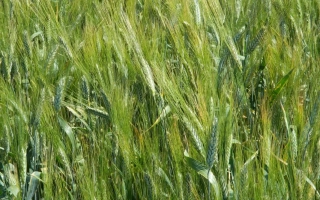
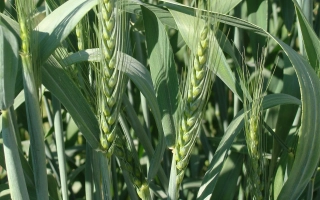
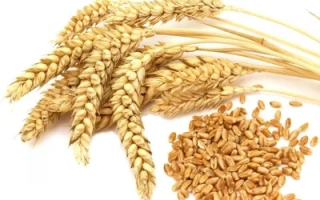
The wheat variety MIP Magdalena was developed by the Myronov Institute of Wheat named after V.M. Remesla of the National Academy of Agrarian Sciences of Ukraine and registered in the state register in 2019. Plants of this variety have a height of 84.5 to 91.4 cm, and the vegetation period lasts 85–87 days. The variety is recommended for cultivation in steppe and forest-steppe zones, confirmed by its resistance to various climatic and biological stresses.
MIP Magdalena is distinguished by high yield, reaching 5.36 t/ha in competitive trials, with maximum yields up to 8 t/ha. The potential yield is approximately 60 c/ha, confirmed by the record yield of 59.8 c/ha achieved in 2021 on the fields of STOV "Peremoga". The variety is characterized by resistance to lodging (8 points), shattering (8–9 points), drought (7–8 points), as well as to a range of diseases and pests, including powdery mildew, rust, Fusarium of the ear, root rot, stink bug, and cabbage fly, with resistance rated at 9 points.
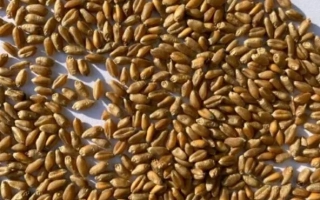
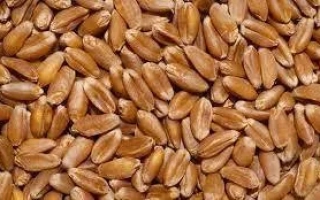
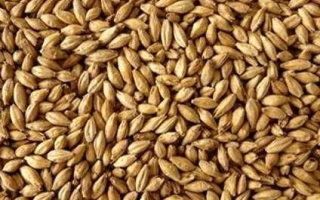
The grain of the MIP Magdalena variety belongs to the leukomelanous type and possesses high technological qualities. The thousand-grain weight is 47.4 g, the grain density is 817 g/l, and the kernel hardness reaches 97 %. Protein content varies from 14.3 to 17 %, and gluten content from 28.5 to 33 %. Due to these characteristics, the variety is widely used in pasta and confectionery industries, ensuring high product quality.