


SKU #52522
·
75 views
Potato Zoya
Potato
Direction
Table Potato
Time to first harvest
75-85 days
Tuber: eye depth
Medium
Tuber: mass
50-130 grams
Your mark
0 votes
0% positive ratings
Store offers · 1 from 1 store
1 offer in 1 store — from 2.1 € per 1 kg.
Available at: purple-potatoesru
Prices are collected automatically from store websites and converted at the current exchange rate. Check the price and availability on the store website before ordering.
Description
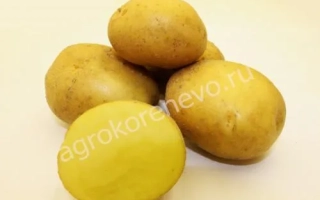
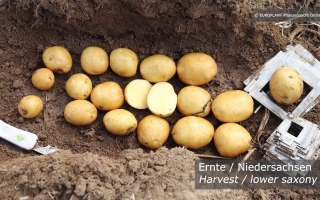
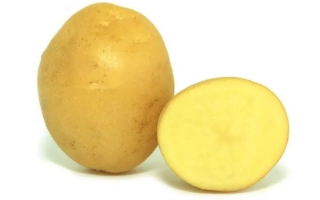
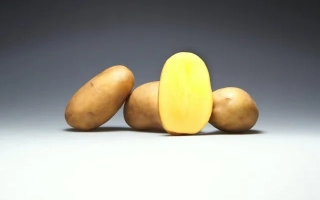
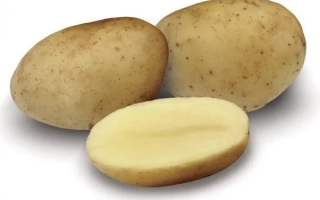
The potato variety Zoya is a medium-early table variety with a maturation period of 70 to 80 days. The plant is low, leafy, semi-erect, with medium-sized dark green leaves and medium-sized flower clusters, the inner side of which has intense anthocyanin pigmentation ranging from moderate to strong. Tubers are oval-round in shape, with medium-depth eyes, covered with yellow skin, and pale-yellow flesh. The average weight of marketable tubers ranges from 90 to 130 grams, with starch content reaching 13.9%, which ensures good and excellent taste. Variety Zoya is characterized by high market yield, varying from 171 to 377 centners per hectare, with maximum yields reaching 401 centners per hectare, significantly exceeding the standards of similar varieties. Tubers have a marketability of 83% and storability of 96%, indicating good preservation and quality during storage. The potato is resistant to several diseases, including potato cyst nematode, golden potato cyst nematode, as well as leaf curl, mosaic, and leaf curling. According to phytopathology data, the variety is moderately susceptible to late blight on stems and tubers. For successful cultivation of variety Zoya, sunny areas with good drainage are recommended. Planting should be conducted at a spacing of 50 by 70 centimeters between plants. Irrigation should begin after the start of flowering, ensuring adequate soil moisture. Key agronomic practices include regular weeding, fertilization, and treatment against pests and diseases. Due to its characteristics and resistance to diseases, variety Zoya is an excellent choice for obtaining high-quality potatoes with good yield and taste.
Crop & resistance
Crop
Disease resistance
Pest resistance
Specifications
| Direction | |
|---|---|
| Time to first harvest | 75-85 days |
| Tuber | |
| Eye depth | |
| Mass | 50-130 grams |
| Starch Content | 13-14% |
| Registration year | 2020 |
| Catalog | Catalog → Potato |
| Legal data | |
| Country | Russia |
No reviews yet. Be the first to share your experience.
Alternatives
Seed potatoes · similar varieties





See also
Often considered together with this variety





Recently viewed
Products you’ve viewed on this site
Reviews