


SKU #44236
·
68 views
Post 86
Potato
Polissia DS named after O.M. ZasuhinUser rating
0 votes0% positive reviews
No ratings yet — be the first.
Direction
Table Potato
Corm; shape
Oval
Corm; skin color
Yellow
Corm; flesh color
Creamy
About product

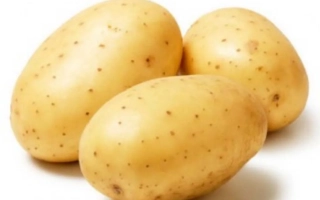
Post 86 (Samanta) — a mid-early potato variety for table use, intended for consumption and processing into potato products and semi-finished goods. The plant is of medium height, intermediate type with semi-erect growth. Leaves are medium-sized, green, with absent or very slight leaf margin undulation. Flower corolla is blue-violet, medium-sized. Tubers are oval with small eyes, yellow and slightl…
Direction
Table Potato
Corm; shape
Oval
Corm; skin color
Yellow
Corm; flesh color
Creamy
Description
Post 86 (Samanta) — a mid-early potato variety for table use, intended for consumption and processing into potato products and semi-finished goods. The plant is of medium height, intermediate type with semi-erect growth. Leaves are medium-sized, green, with absent or very slight leaf margin undulation. Flower corolla is blue-violet, medium-sized. Tubers are oval with small eyes, yellow and slightly rough skin, creamy flesh. Marketable tuber mass ranges from 81 to 107 grams, starch content is 14.4–17.4%. Taste is good, marketability reaches 87–93%, storability — 92%. Yield of the Post 86 variety is high and stable, ranging from 165 to 365 centners per hectare, with maximum yields reaching up to 466 centners per hectare, exceeding standards of many other varieties. The potato is resistant to potato cancer pathogen and late blight, but susceptible to golden potato cyst nematode. According to the VNIIF's phytosanitary data, the variety demonstrates resistance to foliage and moderate resistance to tubers against late blight, ensuring reliable cultivation under various climatic conditions in the North Caucasus and Central Volga regions, where it is included in the State Register. Post 86 is versatile in application, suitable for fresh consumption and processing into various potato products. Due to its high starch content and good taste, it is in demand both at consumer tables and in the food industry. Its high marketability and storability ensure long-term storage and minimal losses during transportation, making this variety advantageous for farmers and producers.
Crop & resistance
Crop
Disease resistance
Specifications hover over for a hint about the specification
|
Direction
Direction
Existing varieties and types of cabbage are grown for fresh consumption, long-term storage, and technical processing. |
|
|---|---|
| Corm; shape | |
| Corm; skin color | |
| Corm; flesh color | |
| Corm; skin structure | |
| Cormorant; eye depth | |
| Corm; mass | 50-130 grams |
| Starch Content | 14-15%, 15-16%, 16-17% |
| Registration year | 1991 |
| Catalog | Catalog → Potato |
| Manufacturer | Polissia DS named after O.M. Zasuhin |
| Country | Ukraine |
Store offers
Prices are updated on loadLoading offers…
Aggregator catalog: prices are collected automatically from store websites, normalized by AI and converted at the current exchange rate. Before ordering, confirm the price and availability on the store's website. This block is not indexed by search engines — the data is loaded after the page opens.
Not yet комментариев. Be the first!
Alternatives
Seed potatoes · similar varieties



See also
Often considered together with this variety




Recently viewed
Products you’ve viewed on this site
Reviews · 0