


SKU #52678
·
60 views
Potato Effect
Potato
Prices in stores
No offers yet — stores have not added prices for this product yet.
Similar varieties with prices
-
MONT BLANCJAN PIETER VAN LOON
from 6.54 €за л
-
 VARMAAS
from 1.2 €per 1 kg
VARMAAS
from 1.2 €per 1 kg
-
 Reggi
from 0.25 €за л
Reggi
from 0.25 €за л
-
 RED ROSE
from 5.54 €per 1 kg
RED ROSE
from 5.54 €per 1 kg
Direction
Table Potato
Time to first harvest
65-75 days
Tuber: skin color
Light yellow (white)
Tuber: flesh color
White
Your mark
0 votes
0% positive ratings
Description
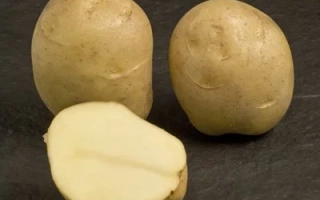
Potato variety 'Effect' is a medium-early table type with a maturation period of 65 to 80 days. The tubers of this variety are light beige in color, with small eyes and white flesh, as well as a distinctive red-purple crown. The weight of marketable tubers ranges from 100 to 180 grams, with 7 to 12 tubers per plant. The yield of this variety reaches 300–450 centners per hectare, with a marketability of 85–93%. The variety is distinguished by good taste and belongs to culinary type D, making it suitable for baking, boiling, and making mashed potatoes. The tubers have high storability — about 94%. 'Effect' is resistant to viral diseases and common potato blight, and has moderate susceptibility to phytophthora on foliage and moderate resistance on tubers. Due to these characteristics, the variety is suitable for cultivation in various regions, including the Volgo-Vyatka, Central Chernozem, and Ural regions. The developer of this variety is the VNIIS 'Potato Farming named after A.G. Lorkh'. The nutritional value of 'Effect' potato is high: it contains 16–20% starch, which gives it anti-atherosclerotic properties, helping to lower blood cholesterol levels. The caloric value is approximately 80 kcal per 100 grams of product, and the potato is rich in proteins and carbohydrates with minimal fat content. The composition includes important minerals — potassium, phosphorus, calcium, magnesium, iron, and others, which are in easily assimilated forms and help maintain blood alkalinity. The potato also contains vitamins B6 and C, necessary for normal nervous system function and immune health. Due to its tender fiber and starch, boiled potato is recommended even for gastritis and ulcers, and potassium helps eliminate excess fluid from the body, which is beneficial for people with kidney and heart diseases.
Crop & resistance
Crop
Disease resistance
Specifications
| Direction | |
|---|---|
| Time to first harvest | 65-75 days |
| Tuber | |
| Skin color | |
| Flesh color | |
| Eye depth | |
| Mass | 50-130 grams |
| Starch Content | 16-17%, 17-18% |
| Registration year | 1995 |
| Catalog | Catalog → Potato |
| Legal data |
Show · 2 |
| Country | Russia |
No reviews yet. Be the first to share your experience.
Alternatives
Seed potatoes · similar varieties


See also
Often considered together with this variety






Recently viewed
Products you’ve viewed on this site
Reviews