


SKU #52695
·
75 views
YUNA
Potato
User rating
0 votes0% positive reviews
No ratings yet — be the first.
Direction
Table Potato
Corm; skin color
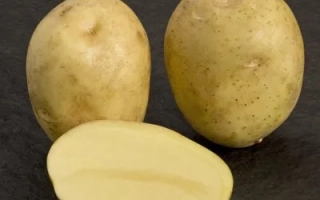
Light yellow (white)
Corm; flesh color
Light Yellow
Cormorant; eye depth
Shallow
Prices in stores
from0.5 €per 1 kg
pack from 0.5 € per 1 kg
1 offer from 1 store
Store offers · 1 from 1 stores
Prices are updated on loadLoading offers…
Available at: Мамина ферма
Aggregator catalog: prices are collected automatically from store websites, normalized by AI and converted at the current exchange rate. Before ordering, confirm the price and availability on the store's website. This block is not indexed by search engines — the data is loaded after the page opens.
About product

The Yuna potato variety is an early-maturing table variety of Russian selection, intended for cultivation in the West Siberian region. The plant is of medium height and intermediate type with a semi-erect form. Tubers are oval-round with small eyes, light beige skin, and light yellow flesh. The weight of marketable tubers ranges from 110 to 200 grams, and the number of tubers per plant is from 7 t…
Direction
Table Potato
Corm; skin color
Light yellow (white)
Corm; flesh color
Light Yellow
Cormorant; eye depth
Shallow
Description
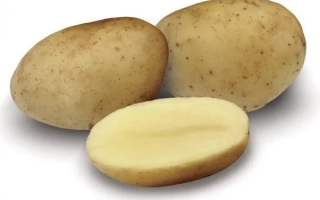
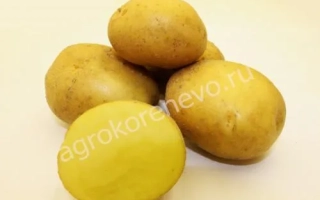
The Yuna potato variety is an early-maturing table variety of Russian selection, intended for cultivation in the West Siberian region. The plant is of medium height and intermediate type with a semi-erect form. Tubers are oval-round with small eyes, light beige skin, and light yellow flesh. The weight of marketable tubers ranges from 110 to 200 grams, and the number of tubers per plant is from 7 to 11. Starch content is within 14.3–15.1%, ensuring good taste qualities and versatility in cooking, including salads, soups, boiling, and frying. The Yuna variety is characterized by high yield: marketable yield ranges from 196 to 360 centners per hectare, with maximum yields up to 404 centners per hectare. The first harvest can be obtained as early as 45 days after emergence, allowing for early harvest. Tubers' marketability ranges from 80–99%, and storability reaches 94%, ensuring good product preservation during storage. The plant features small or medium green leaves and a semi-erect stem form. Yuna exhibits high resistance to major potato diseases, including potato late blight, golden potato cyst nematode, as well as leaf curl, mosaic, and leaf crinkling. These qualities make this variety a reliable choice for cultivation in Western Siberia and contribute to stable, high-quality harvests. The developer of this variety is the Federal Research Center, Institute of Cytology and Genetics, Siberian Branch of the Russian Academy of Sciences.
Video · 1 video
Suggest a video →Crop & resistance
Crop
Disease resistance
Pest resistance
Specifications hover over for a hint about the specification
Not yet комментариев. Be the first!
Alternatives
Seed potatoes · similar varieties





See also
Often considered together with this variety





Recently viewed
Products you’ve viewed on this site
Reviews · 0