


SKU #52686
·
60 views
Potato LOMONOSOVSKY
Potato
Prices in stores
No offers yet — stores have not added prices for this product yet.
Similar varieties with prices
-
ArizonaAGRICO
from 0.77 €per 1 kg
-
 ESTRELLANORIKA
from 1.2 €per 1 kg
ESTRELLANORIKA
from 1.2 €per 1 kg
-
 DAMARISNORIKA
from 0.88 €
DAMARISNORIKA
from 0.88 €
-
 DELFINNORIKA
from 0.59 €
DELFINNORIKA
from 0.59 €
Direction
Table Potato
Time to first harvest
75-85 days
Tuber: shape
Oval
Tuber: skin color
Light yellow (white)
Your mark
0 votes
0% positive ratings
Description
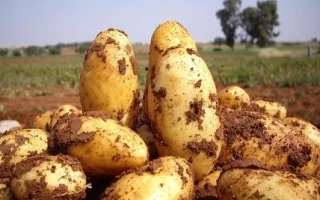
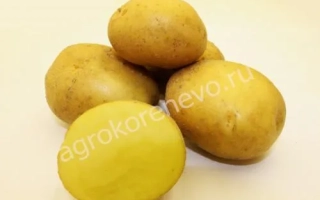
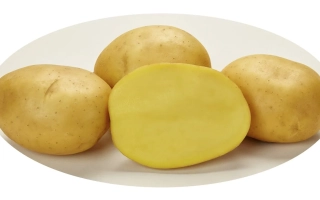
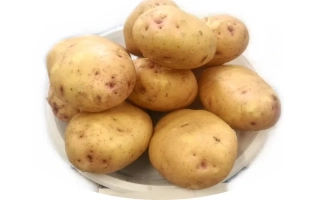
Potato Lomonosovsky — an early-maturing table variety of Russian selection, maturing in 70-90 days. The plant is of medium height with semi-erect leaves of large size and medium leaf margin waviness. Tubers have an oval shape with small eyes, light beige skin, and light yellow flesh. The mass of marketable tubers ranges from 89 to 122 grams, and the starch content is 13.2–18.6%, providing good taste and excellent consumer qualities. The flesh is slightly soft, making this variety especially suitable for salads, frying, and baking, belonging to the culinary type AB.
The yield of this variety is stable, ranging from 263 to 380 centners per hectare, with maximum yields up to 421 centners per hectare. The first harvest can be obtained as early as day 45 after emergence, enabling early harvest. The tuber marketability is high — from 85 to 97%, and storability reaches 95%, ensuring good product preservation during storage.
Lomonosovsky is resistant to potato late blight, wrinkled and striped mosaic, and leaf curl virus. However, the variety is susceptible to golden potato cyst nematode and moderately resistant to phytophthora, common scab, and rhizoctonia. It is recommended to grow this variety outdoors, sown in May, following a 60 x 35 cm planting scheme and sowing depth of 8–10 cm, which promotes optimal growth and high yield.
The yield of this variety is stable, ranging from 263 to 380 centners per hectare, with maximum yields up to 421 centners per hectare. The first harvest can be obtained as early as day 45 after emergence, enabling early harvest. The tuber marketability is high — from 85 to 97%, and storability reaches 95%, ensuring good product preservation during storage.
Lomonosovsky is resistant to potato late blight, wrinkled and striped mosaic, and leaf curl virus. However, the variety is susceptible to golden potato cyst nematode and moderately resistant to phytophthora, common scab, and rhizoctonia. It is recommended to grow this variety outdoors, sown in May, following a 60 x 35 cm planting scheme and sowing depth of 8–10 cm, which promotes optimal growth and high yield.
Crop & resistance
Crop
Specifications
| Direction | |
|---|---|
| Time to first harvest | 75-85 days |
| Tuber | |
| Shape | |
| Skin color | |
| Flesh color | |
| Eye depth | |
| Mass | 50-130 grams |
| Starch Content | 13-14% |
| Registration year | 2011 |
| Catalog | Catalog → Potato |
| Legal data |
Show · 12
|
| Country | Russia |
No reviews yet. Be the first to share your experience.
Alternatives
Seed potatoes · similar varieties



See also
Often considered together with this variety





Recently viewed
Products you’ve viewed on this site
Reviews