


SKU #54428
·
43 views
HOT ITEM
Pepper
User rating
0 votes0% positive reviews
No ratings yet — be the first.
Direction
Sweet
Fruit; color (biological maturity)
Bright Red
Fruit; shape
Round
Registration year
2025
About product

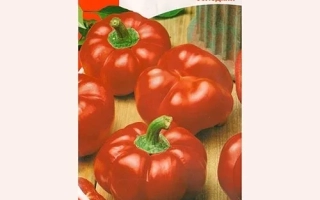
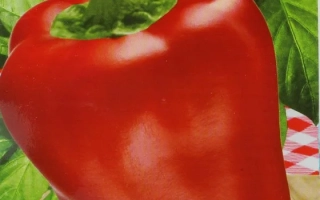
Sweet rounded red pepper, perfect for culinary stuffing and gourmet preservation.
Direction
Sweet
Fruit; color (biological maturity)
Bright Red
Fruit; shape
Round
Registration year
2025
Description
Redefining Pepper Geometry
The 'Goryachaya Shtuchka' pepper is a product of Russian breeding that challenges the standard perception of bell pepper morphology. Instead of the typical elongated or blocky shapes found in the produce aisle, this variety offers compact, rounded fruits that resemble cocktail tomatoes. This distinct geometry makes it a standout choice for niche culinary applications, specifically for stuffed pepper dishes and whole-fruit canning.
Key Specifications and Market Placement
- Biological Ripeness: The fruit reaches a brilliant, deep red color, indicating optimal sugar content.
- Variety Type: Sweet pepper category, focused on flavor and texture.
- Form: Rounded and ergonomic, allowing for efficient processing and aesthetic presentation.
In the current market, 'Goryachaya Shtuchka' fills a specific demand for "snack-sized" or cocktail-type vegetables. It is highly valued by growers focusing on direct-to-consumer sales and gourmet retail, as the fruits' visual appeal and structural integrity make them highly marketable. Whether for fresh salads or gourmet culinary preparations, this variety provides a reliable, high-yield option for producers looking to diversify their portfolio with a product that balances ease of cultivation with exceptional aesthetic quality.
Video · 2 videos
Suggest a video →Specifications hover over for a hint about the specification
|
Direction
Direction
Existing varieties and types of cabbage are grown for fresh consumption, long-term storage, and technical processing. |
|
|---|---|
|
Fruit; color (biological maturity)
Fruit; color (biological maturity)
Biological maturity of pepper fruits occurs 35-45 days after technical maturity. Biologically mature fruits acquire red, yellow, or pink coloration, and their vitamin C and A, sugar, and dry matter content significantly increases. |
|
|
Fruit; shape
Fruit; shape
Spherical, oval, flattened or cylindrical shape. |
|
| Registration year | 2025 |
| Catalog | Catalog → Pepper |
| Country | Russia |
Store offers
Prices are updated on loadLoading offers…
Aggregator catalog: prices are collected automatically from store websites, normalized by AI and converted at the current exchange rate. Before ordering, confirm the price and availability on the store's website. This block is not indexed by search engines — the data is loaded after the page opens.
Not yet комментариев. Be the first!
Alternatives
Pepper seeds · similar varieties







See also
Often considered together with this variety





Recently viewed
Products you’ve viewed on this site
Reviews · 0