

SKU #67643
·
34 views
SARABUZ
Peach
User rating
0 votes0% positive reviews
No ratings yet — be the first.
Tree Growth Type
Medium-height
Fruit Color
Yellow-red
Flavor of the fruit
Sweet, Aromatic
Meat
Juicy, Fibrous
Store offers · 1 from 1 stores
Prices are updated on loadLoading offers…
Available at: Лучший Сад
Aggregator catalog: prices are collected automatically from store websites, normalized by AI and converted at the current exchange rate. Before ordering, confirm the price and availability on the store's website. This block is not indexed by search engines — the data is loaded after the page opens.
About product

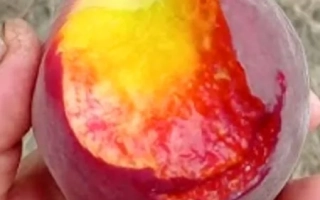
The Sarabuz peach variety is a medium-sized tree with an upright, spherical crown and sparse branch density. The plant has thick, straight shoots colored dark red or maroon, and large lanceolate leaves give the tree an attractive appearance. The variety's fruits are round, weigh about 160 grams, have an orange-yellow color with a red, velvety skin, and juicy, fibrous flesh. The taste of the fruits…
Tree Growth Type
Medium-height
Fruit Color
Yellow-red
Flavor of the fruit
Sweet, Aromatic
Meat
Juicy, Fibrous
Description
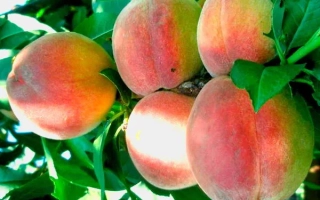
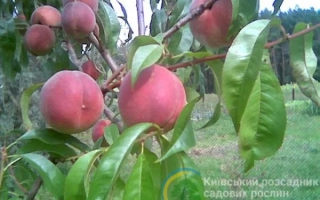
The Sarabuz peach variety is a medium-sized tree with an upright, spherical crown and sparse branch density. The plant has thick, straight shoots colored dark red or maroon, and large lanceolate leaves give the tree an attractive appearance. The variety's fruits are round, weigh about 160 grams, have an orange-yellow color with a red, velvety skin, and juicy, fibrous flesh. The taste of the fruits is characterized by a sugar content of 11.1%, acidity of 0.38%, and vitamin C at 11.1 mg%, ensuring good taste qualities.
The Sarabuz variety is distinguished by high yield, reaching 121.5 centners per hectare, and surpasses many domestic and foreign varieties in yield by about 20%. It is mid-season, which allows the fruits to be used both fresh and for canning and juice production. High marketability and good transportability make this variety attractive for commercial cultivation and marketing.
A feature of the variety is high winter hardiness, tolerating temperatures down to -24.6°C, as well as flower resistance to spring return frosts due to late flowering. These qualities make Sarabuz suitable for cultivation in regions with cold winters, particularly in the North Caucasus region. Susceptibility to diseases such as leaf curl and powdery mildew is assessed as moderate, which requires moderate attention to plant protection.
The Sarabuz variety is distinguished by high yield, reaching 121.5 centners per hectare, and surpasses many domestic and foreign varieties in yield by about 20%. It is mid-season, which allows the fruits to be used both fresh and for canning and juice production. High marketability and good transportability make this variety attractive for commercial cultivation and marketing.
A feature of the variety is high winter hardiness, tolerating temperatures down to -24.6°C, as well as flower resistance to spring return frosts due to late flowering. These qualities make Sarabuz suitable for cultivation in regions with cold winters, particularly in the North Caucasus region. Susceptibility to diseases such as leaf curl and powdery mildew is assessed as moderate, which requires moderate attention to plant protection.
Crop & resistance
Crop
Disease resistance
Specifications hover over for a hint about the specification
| Tree Growth Type | |
|---|---|
|
Fruit Color
Fruit Color
The fruit color of tomato varieties is influenced by the combination of skin and flesh color. Some varieties have transparent skin, others — yellow. When combined differently, the fruits can acquire quite diverse colors. The fruit color is affected by pigments (lycopene) and thei... |
|
| Flavor of the fruit | |
| Meat | |
| Cold tolerance (°C) | |
| Features | |
| Registration year | 2023 |
| Catalog | Catalog → Peach |
| Legal data |
Show · 8
|
| Country | Russia |
Not yet комментариев. Be the first!
Alternatives
Peach saplings · similar varieties





See also
Often considered together with this variety




Recently viewed
Products you’ve viewed on this site
Reviews · 0