


SKU #45513
·
62 views
Parsley Naida
Parsley
Prices in stores
No offers yet — stores have not added prices for this product yet.
Similar varieties with prices
-
ArgonEnza Limited
from 32.06 €per 1 kg
-
 POTINIROMEN GLOBAL INC
from 44.67 €per 1 kg
POTINIROMEN GLOBAL INC
from 44.67 €per 1 kg
-
 VegaEnza Limited
from 48.6 €per 1 kg
VegaEnza Limited
from 48.6 €per 1 kg
-
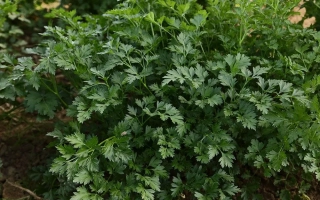 ARLEKINO
from 5.23 €
ARLEKINO
from 5.23 €
Direction
Leaf
Maturation Period
60-70
Registration year
2017
Your mark
0 votes
0% positive ratings
About product
A reliable domestic leaf parsley variety featuring high resistance to fungal diseases.
Description
A Benchmark of Ukrainian Breeding
The «Nayda» parsley is a time-tested leaf variety of domestic selection, developed by specialists from the «Mayak» research station of the Institute of Vegetables and Melons of NAAS. In the Ukrainian market, this variety has firmly established itself in both professional and amateur vegetable farming as a reliable tool for early green production. Its true value lies not in marketing hype, but in its proven adaptability to local climatic conditions.
Agronomic Advantages
The variety is exclusively focused on leaf mass production. The vegetation period is 60–70 days, which allows for scheduled "conveyor" harvesting throughout the season. A key feature of «Nayda» is its genetic resistance to a complex of the most common diseases affecting umbelliferous crops:
- Alternaria leaf blight;
- Various types of rot;
- Powdery mildew.
This makes the variety attractive for farms seeking to minimize chemical input. The crop demonstrates high leaf regrowth energy after cutting, which is critical for farmers supplying fresh produce to the market.
Market Positioning
«Nayda» is the choice for growers who prioritize predictable results. Unlike many foreign hybrids that require intensive growing technologies, this variety is forgiving of minor agronomic inconsistencies. It is perfectly suited for open-field cultivation, ensuring stable yields even under the variable conditions of spring and autumn. The high productivity of the leaf rosette and excellent marketability make it a competitive product for both retail and processing sectors.
Crop & resistance
Disease resistance
Specifications
| Direction | |
|---|---|
| Maturation Period | 60-70 |
| Registration year | 2017 |
| Catalog | Catalog → Parsley |
| Legal data |
Show · 1
|
| Country | Ukraine |
No reviews yet. Be the first to share your experience.
Alternatives
Parsley seeds · similar varieties



See also
Often considered together with this variety







Recently viewed
Products you’ve viewed on this site
Reviews