


SKU #63459
·
57 views
LUKERYA
Onion
User rating
0 votes0% positive reviews
No ratings yet — be the first.
Type
Leek (perennial)
Direction
Salad
Maturation Period
Up to 90 days
Harvest Method
Manual
About product

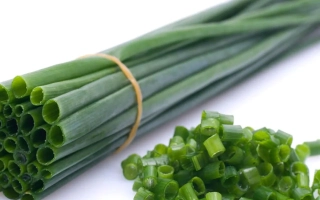
Lukerya is a variety of chives, representing a type of onion culture used by humans since ancient times. Chives are known by various folk names, such as sliced onion, quick onion, and Siberian onion. This crop is widely distributed in temperate climates, found in the wild, and cultivated both in home gardens and under industrial conditions. Lukerya is used as a food crop due to its tender, juicy l…
Type
Leek (perennial)
Direction
Salad
Maturation Period
Up to 90 days
Harvest Method
Manual
Description
Lukerya is a variety of chives, representing a type of onion culture used by humans since ancient times. Chives are known by various folk names, such as sliced onion, quick onion, and Siberian onion. This crop is widely distributed in temperate climates, found in the wild, and cultivated both in home gardens and under industrial conditions. Lukerya is used as a food crop due to its tender, juicy leaves, as well as a decorative plant and good honey plant. The leaves contain high concentrations of vitamin C, carotene, calcium, essential oils, flavonoids (rutin, quercetin), and essential amino acids, making this variety especially beneficial and nutritious.
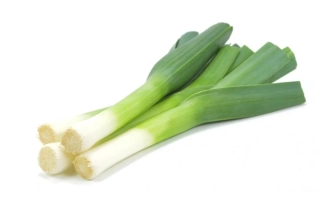
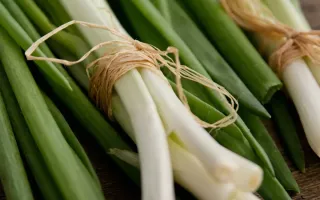
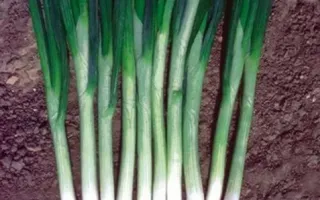
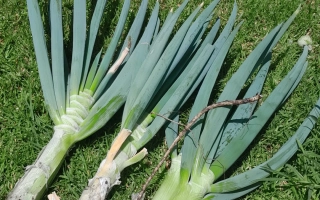
The Lukerya variety was developed as a result of multi-year research and clonal selection at the West Siberian Vegetable Experimental Station. The prospective sample K176, which became the basis of the variety, is characterized by early regrowth and technical ripeness of leaves, ready for cutting as early as early May. Plants of the variety have upright green leaves with a medium waxy coating, up to 65 cm long and about 1 cm in diameter. The mass of leaves from one plant reaches 250 g. The leaves contain 14% dry matter, 4% total sugar, and 72 mg% of vitamin C. The taste of the leaves is semi-spicy, making them attractive for use in fresh form.
Lukerya is characterized by high winter hardiness and frost resistance, which allows it to be grown in various regions with a temperate climate. The yield of the variety is about 0.9 kg per square meter per one cut and up to 3.5 kg for the entire growing season. Due to its qualities and adaptability, the Lukerya variety is recommended for widespread use in the food industry and home gardening, providing a stable and high-quality yield of green leaves.
The Lukerya variety was developed as a result of multi-year research and clonal selection at the West Siberian Vegetable Experimental Station. The prospective sample K176, which became the basis of the variety, is characterized by early regrowth and technical ripeness of leaves, ready for cutting as early as early May. Plants of the variety have upright green leaves with a medium waxy coating, up to 65 cm long and about 1 cm in diameter. The mass of leaves from one plant reaches 250 g. The leaves contain 14% dry matter, 4% total sugar, and 72 mg% of vitamin C. The taste of the leaves is semi-spicy, making them attractive for use in fresh form.
Lukerya is characterized by high winter hardiness and frost resistance, which allows it to be grown in various regions with a temperate climate. The yield of the variety is about 0.9 kg per square meter per one cut and up to 3.5 kg for the entire growing season. Due to its qualities and adaptability, the Lukerya variety is recommended for widespread use in the food industry and home gardening, providing a stable and high-quality yield of green leaves.
Specifications hover over for a hint about the specification
|
Type
Type
Galia (Galia) type — relatively new, of Israeli origin, although there are indications that this variety may originate from Spain. The fruits of this type are round or oval, weighing about 1 kg. The surface is smooth, covered with a delicate, connected netting, turning yellow whe... |
|
|---|---|
|
Direction
Direction
Existing varieties and types of cabbage are grown for fresh consumption, long-term storage, and technical processing. |
|
|
Maturation Period
Maturation Period
Vegetation period from emergence to technical maturity 30-50 days. |
Up to 90 days |
|
Harvest Method
Harvest Method
Most existing onion varieties are harvested manually. This is because onion bulbs are very sensitive to mechanical damage. However, there are varieties whose bulbs have a hard consistency and are suitable for mechanical harvesting. |
|
|
Yield
Yield
Overall bulb harvest per unit area. Depends on both onion variety characteristics and agronomic practices, fertilizers, and irrigation. Under optimal growing conditions, an onion yield of 100 tons per hectare and above is not considered record-breaking. |
Up to 50 tons/ha |
| Dry Matter Content | 13 - 15% |
| Registration year | 2023 |
| Catalog | Catalog → Onion |
| Legal data |
Show · 1 |
| Country | Russia |
Store offers
Prices are updated on loadLoading offers…
Aggregator catalog: prices are collected automatically from store websites, normalized by AI and converted at the current exchange rate. Before ordering, confirm the price and availability on the store's website. This block is not indexed by search engines — the data is loaded after the page opens.
Not yet комментариев. Be the first!
Alternatives
Onion seeds · similar varieties



See also
Often considered together with this variety







Recently viewed
Products you’ve viewed on this site
Reviews · 0