


SKU #65099
·
47 views
KONKUR
Oats
User rating
0 votes0% positive reviews
No ratings yet — be the first.
Ripeness Group (days)
Medium-maturing (95-110)
Yield
40-50, 60+
Mass of 1000 seeds (g)
36-40
Grain-oriented
Food
About product

Spring oat KONKUR is a medium-late grain variety developed through complex hybridization involving the Soroka, Khinaat, and Horizont varieties, followed by individual selection. The plant is of medium height, with an intermediate tuft, two-sided panicle with semi-upright branch arrangement and drooping spikelets. The grain is large, with a mass of 1000 grains ranging from 34-41 grams. The variety…
Ripeness Group (days)
Medium-maturing (95-110)
Yield
40-50, 60+
Mass of 1000 seeds (g)
36-40
Grain-oriented
Food
Description
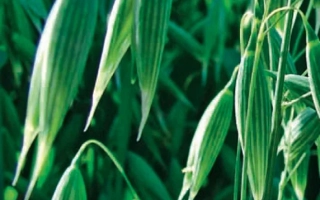
Spring oat KONKUR is a medium-late grain variety developed through complex hybridization involving the Soroka, Khinaat, and Horizont varieties, followed by individual selection. The plant is of medium height, with an intermediate tuft, two-sided panicle with semi-upright branch arrangement and drooping spikelets. The grain is large, with a mass of 1000 grains ranging from 34-41 grams. The variety belongs to the mutica type — white-grained and awnless, with a long glume covered with a wax coating of medium intensity. The vegetative period is 79-95 days, making it medium-late and allowing it to mature simultaneously with the Allure variety.
KONKUR is distinguished by high yield, with an average figure of about 45.5 centners per hectare over several years, and a maximum yield reaching 65.1 centners per hectare. The variety is resistant to lodging and shattering, and also exhibits high drought tolerance, surpassing some other oat varieties in this regard. Thanks to these qualities, it adapts well to various climatic conditions and soils, expanding its cultivation possibilities.
Despite a number of advantages, the KONKUR variety is susceptible to certain diseases, such as powdery mildew, crown rust, and bacterial burn. Nevertheless, it is widely used as a grain product for flour, bread, and other food products. The variety is recommended for cultivation in various regions, including the Northwestern, Central, Volga-Vyatka, Middle-Volga, Lower-Volga, and Ural regions.
KONKUR is distinguished by high yield, with an average figure of about 45.5 centners per hectare over several years, and a maximum yield reaching 65.1 centners per hectare. The variety is resistant to lodging and shattering, and also exhibits high drought tolerance, surpassing some other oat varieties in this regard. Thanks to these qualities, it adapts well to various climatic conditions and soils, expanding its cultivation possibilities.
Despite a number of advantages, the KONKUR variety is susceptible to certain diseases, such as powdery mildew, crown rust, and bacterial burn. Nevertheless, it is widely used as a grain product for flour, bread, and other food products. The variety is recommended for cultivation in various regions, including the Northwestern, Central, Volga-Vyatka, Middle-Volga, Lower-Volga, and Ural regions.
Crop & resistance
Crop
Disease resistance
Specifications hover over for a hint about the specification
Store offers
Prices are updated on loadLoading offers…
Aggregator catalog: prices are collected automatically from store websites, normalized by AI and converted at the current exchange rate. Before ordering, confirm the price and availability on the store's website. This block is not indexed by search engines — the data is loaded after the page opens.
Not yet комментариев. Be the first!


See also
Often considered together with this variety





Recently viewed
Products you’ve viewed on this site
Reviews · 0