

SKU #73189
·
55 views
NEVESTA
Mulberry
Фгбоу Во Ргау- Мсха Имени К. А.ТимирязеваUser rating
0 votes0% positive reviews
No ratings yet — be the first.
Decorative Plants
Mulberry
Fruit Color
White
Registration year
2017
About product

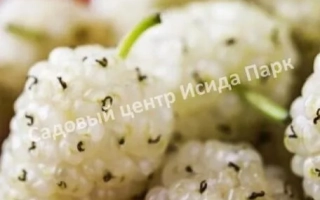
An elegant white-fruited variety known for its ornamental appeal and superior dessert flavor.
Decorative Plants
Mulberry
Fruit Color
White
Registration year
2017
Description
Aesthetic Appeal and Practical Harvest
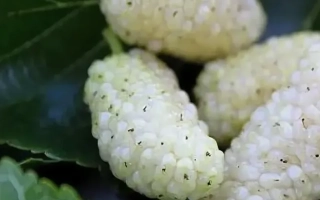
The 'Nevesta' mulberry, developed by the K.A. Timiryazev Russian State Agrarian University (RSAU-MTAA), is a cultivar specifically designed for those who value both landscape aesthetics and fruit production. Unlike wild variants, this variety offers a reliable yield of distinctively white, sweet berries, making it an excellent addition to any garden or small-scale orchard.
Practical Applications for Your Garden
Integrating 'Nevesta' into your agricultural management provides several key benefits:
- Landscape Design. With its elegant form and striking white fruit, the tree serves as an excellent focal point or ornamental specimen in garden layouts.
- Productive Value. The fruit is highly valued for its dessert quality. It is widely used for syrups, jams, and drying. For growers interested in niche market processing, this variety offers a unique, visually appealing product.
- Hardiness and Ease of Care. Developed with the expertise of the Timiryazev Academy, this cultivar is bred for resilience, reducing the need for intensive chemical management and simplifying standard orchard maintenance.
To maximize performance, it is recommended to plant 'Nevesta' in well-lit areas with fertile, well-drained soil. Regular pruning during the formative years is advised to maintain a manageable size, which facilitates easier harvesting as the fruits ripen—a process that requires timely collection due to their delicate nature.
Crop & resistance
Crop
Specifications
| Decorative Plants | |
|---|---|
| Fruit Color | |
| Registration year | 2017 |
| Catalog | Catalog → Mulberry |
| Manufacturer | Фгбоу Во Ргау- Мсха Имени К. А.Тимирязева |
| Country | Russia |
Store offers
Prices are updated on loadLoading offers…
Available at: Сади Буковини
Aggregator catalog: prices are collected automatically from store websites, normalized by AI and converted at the current exchange rate. Before ordering, confirm the price and availability on the store's website. This block is not indexed by search engines — the data is loaded after the page opens.
Not yet комментариев. Be the first!



See also
Often considered together with this variety


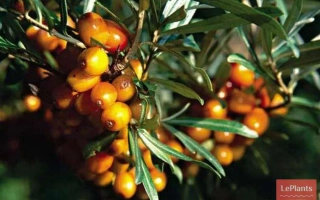

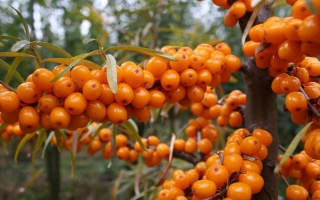

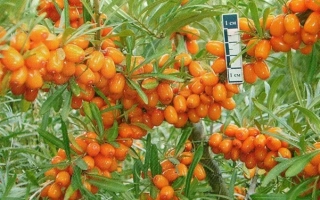
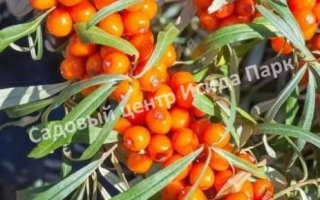

MOSCOW PINEAPPLE HIPPOPHAE RHYMPHOLATA
BOTANIChESKIJ SAD MGU IM.M.V.LOMONOSOVA
072 5 offers
8.07 € ≈ 416 ₴


Recently viewed
Products you’ve viewed on this site
Reviews · 0