


SKU #45863
·
68 views
Ramina
Lucerne
User rating
0 votes0% positive reviews
No ratings yet — be the first.
Plant Height
70-90
Registration year
2021
Prices in stores
from5.87 €per 1 kg
pack from 5.87 € per 1 kg
1 offer from 1 store
Store offers · 1 from 1 stores
Prices are updated on loadLoading offers…
Available at: Цибулинка
Aggregator catalog: prices are collected automatically from store websites, normalized by AI and converted at the current exchange rate. Before ordering, confirm the price and availability on the store's website. This block is not indexed by search engines — the data is loaded after the page opens.
About product

Consistent high biomass yields, excellent protein content, and rapid regrowth cycles for professional forage operations.
Plant Height
70-90
Registration year
2021
Description
Agronomic Profile and Morphology
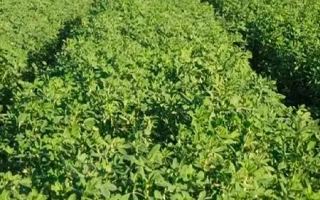
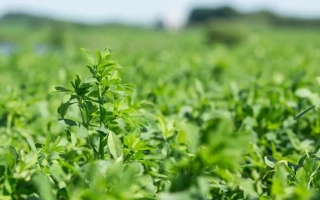
The «Ramina» alfalfa variety, developed by Iksgp Naan, is a specialized crop solution tailored for the climatic realities of Ukraine. The plant's morphology, with a height of 70–90 cm, is engineered for efficient mechanical harvesting, ensuring minimal leaf loss and optimal dry matter density.
Technical Specifications and Field Performance
- Structural Integrity: The upright growth habit significantly reduces lodging risks, even under high-moisture conditions.
- Growth Kinetics: Exceptional regrowth vigor allows for up to 4–5 harvests per season, providing a steady supply of high-protein forage.
- Root System Efficiency: Deep root penetration provides high drought tolerance, making it a reliable choice for arid and semi-arid soil profiles.
The choice of «Ramina» for commercial forage production is supported by its superior leaf-to-stem ratio, which directly influences protein content and feed digestibility. At 70–90 cm, the plant maintains its nutritional value without excessive lignification. Furthermore, the variety exhibits robust resistance to common legume diseases, reducing the need for intensive chemical interventions and improving overall operational economy. Its versatility in various soil types makes it an ideal candidate for both short-term crop rotation and long-term hayfield establishment.
Crop & resistance
Crop
Specifications
| Plant Height | 70-90 |
|---|---|
| Registration year | 2021 |
| Catalog | Catalog → Lucerne |
| Legal data |
Show · 1
|
| Country | Ukraine |
Not yet комментариев. Be the first!
Alternatives
Alfalfa seeds · similar varieties




See also
Often considered together with this variety





Vityaz
ФГБНУ Федеральный Аграрный Научный Центр Северо-востока имени Н.В. Рудницкого
040 2 offers
13.9 €per 1 kg ≈ 716 ₴
Recently viewed
Products you’ve viewed on this site
Reviews · 0