


SKU #68663
·
44 views
Alfalfa ASTRAKHANOTCHKA
Lucerne
VNIIOOBUser rating
0 votes0% positive reviews
No ratings yet — be the first.
Plant Height
70-90
Registration year
2015
About product

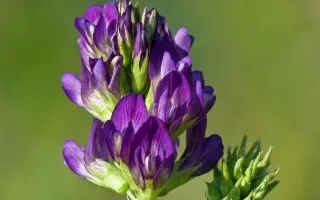
Blue alfalfa variety Astraخانotchka is an early-maturing perennial variety of legume crops intended for cultivation in various climatic zones. The plant is characterized by medium height and an upright bush with green leaf coloration and medium length and width of the central leaflet. Flowers are predominantly blue-violet, giving the variety a characteristic appearance. The variety differs in dise…
Plant Height
70-90
Registration year
2015
Description
Blue alfalfa variety Astraخانotchka is an early-maturing perennial variety of legume crops intended for cultivation in various climatic zones. The plant is characterized by medium height and an upright bush with green leaf coloration and medium length and width of the central leaflet. Flowers are predominantly blue-violet, giving the variety a characteristic appearance. The variety differs in disease resistance, in particular medium resistance to verticillium wilt, which contributes to stable yield and reliability in agro-technical use. Astraخانotchka is widely used in agriculture as a forage crop for the production of hay, silage, and silage, providing high protein content for livestock. In addition, the variety is used as a cover crop to improve soil structure, increase its fertility, and control pests, making it a valuable element in the system of sustainable farming. Alfalfa contributes to the reduction of nitrate content in the soil, which positively affects the ecological safety of production. Technical parameters of cultivation include a sowing rate of 25 kg/ha and seed burial depth of 1-1.5 cm with mandatory rolling after sowing. The multi-year period of the crop is four years and more, which ensures long-term use of crops without the need for frequent replanting. Yield of dry matter varies depending on the region, reaching an average of 40 to 85 c/ha, which corresponds to or exceeds standards for various agro-climatic zones.
Crop & resistance
Crop
Disease resistance
Specifications
| Plant Height | 70-90 |
|---|---|
| Registration year | 2015 |
| Catalog | Catalog → Lucerne |
| Manufacturer | VNIIOOB |
| Legal data | |
| Country | Russia |
Store offers
Prices are updated on loadLoading offers…
Aggregator catalog: prices are collected automatically from store websites, normalized by AI and converted at the current exchange rate. Before ordering, confirm the price and availability on the store's website. This block is not indexed by search engines — the data is loaded after the page opens.
Not yet комментариев. Be the first!
Alternatives
Alfalfa seeds · similar varieties


See also
Often considered together with this variety


Recently viewed
Products you’ve viewed on this site
Reviews · 0