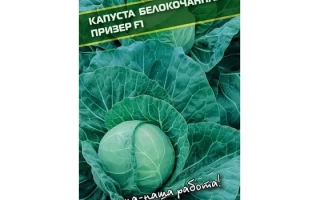
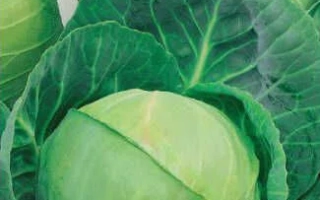
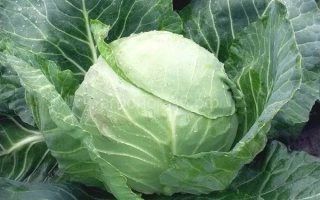
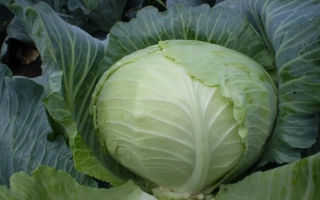
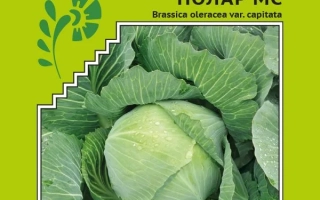
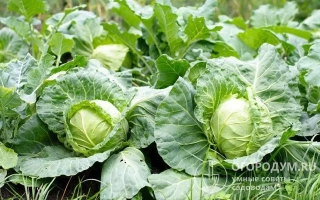
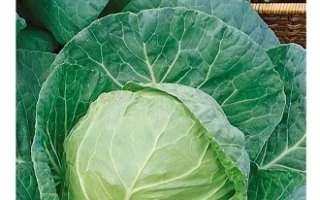
Kamensky cabbage is a late-maturing hybrid that reaches technical maturity 130-140 days after germination. The plant forms a small, slightly elevated rosette with a diameter of 50-60 cm, featuring grey-green leaves covered with a strong waxy bloom. The head is round, very dense, weighing from 3 to 5 kg, with a short inner stalk and white inner color. The leaves cover the head well, contributing to its preservation and resistance to cracking. The variety is distinguished by its high sugar and vitamin C content, while bitterness is absent, making it particularly attractive for fresh consumption and pickling.
KAMENKA boasts high yields—up to 38.2 t/ha, with a maturity rate of about 96.6%. It is resistant to bacterial soft rot and vascular wilt, which enhances cultivation reliability and crop quality. Thanks to its density and structure, the cabbage stores well for long periods, allowing it to be used throughout the winter season. However, the variety requires fertile soil and regular watering, as it poorly tolerates moisture deficit.
For cultivation, seeds are sown into a prepared soil mix, followed by furrow formation and sowing with an interval of 1-2 cm. Seedlings are pricked out 8-10 days after germination and transplanted into open ground from May 10 to 20, with row spacing of 55-60 cm and plant spacing of 30-35 cm. Plant care includes regular soil loosening, watering, and feeding with organic fertilizers such as cow manure or liquid manure, which are repeated 2-3 times with an interval of 8-12 days. Such a complex of agrotechnical measures ensures the acquisition of high-quality and abundant KAMENKA cabbage.