
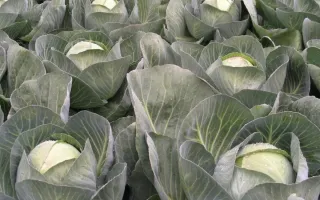

SKU #61540
·
30 views
Quartet
Cabbage
Фгбоу Во Ргау- Мсха Имени К. А.ТимирязеваUser rating
0 votes0% positive reviews
No ratings yet — be the first.
Plant Type
White cabbage
Direction
Long-term storage
Head / head; color
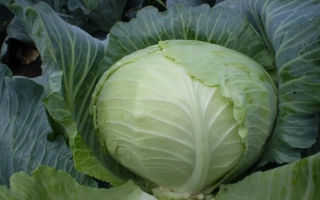
Yellow-green
Head / Head; shape
Round
Store offers · 1 from 1 stores
Prices are updated on loadLoading offers…
Available at: Agro-sos
Aggregator catalog: prices are collected automatically from store websites, normalized by AI and converted at the current exchange rate. Before ordering, confirm the price and availability on the store's website. This block is not indexed by search engines — the data is loaded after the page opens.
About product

White cabbage 'Quartet F1' is a late-maturing hybrid of Russian breeding, developed by the K.A. Timiryazev Moscow Agricultural Academy and the Krasnodar Research Institute of Vegetable and Potato Farming. This hybrid is distinguished by its high yield and stable ripening, making it in demand among vegetable growers. Heads have an oval shape, dense structure, and a mass ranging from 1.9 to 2.1 kg;…
Plant Type
White cabbage
Direction
Long-term storage
Head / head; color
Yellow-green
Head / Head; shape
Round
Description
White cabbage 'Quartet F1' is a late-maturing hybrid of Russian breeding, developed by the K.A. Timiryazev Moscow Agricultural Academy and the Krasnodar Research Institute of Vegetable and Potato Farming. This hybrid is distinguished by its high yield and stable ripening, making it in demand among vegetable growers. Heads have an oval shape, dense structure, and a mass ranging from 1.9 to 2.1 kg; head height is 14–15 cm. The outer color of the heads is yellow-green, while when cut, they have a white-yellow color. The inner stalk reaches 6 cm in length. The plant rosette is vertical, with dark green leaves covered in a waxy coating, which helps protect against adverse weather conditions. The hybrid 'Quartet F1' is distinguished by high heat tolerance and resistance to diseases such as vascular bacteriosis and fusarium wilt. Heads are resistant to cracking, which facilitates mechanized harvesting and reduces losses during transportation. Technical maturity occurs approximately on the 166th day after germination, allowing the cabbage to be used for long-term storage and pickling. The plant withstands frost down to −5 °C well, while the optimal temperature for growth is +15...18°C. For successful cultivation, regular watering, soil loosening, and application of organic fertilizers are recommended. Cabbage 'Quartet F1' is excellent for home cooking, fresh consumption, as well as for pickling and winter storage due to its taste qualities and dense head structure. This hybrid can ensure high yields—up to 150 tons per hectare, making it one of the most productive domestic varieties. Thanks to its characteristics and resistance to hot conditions, 'Quartet F1' is a reliable choice for growing in various climatic zones.
Crop & resistance
Crop
Disease resistance
Specifications hover over for a hint about the specification
| Plant Type | |
|---|---|
|
Direction
Direction
Existing varieties and types of cabbage are grown for fresh consumption, long-term storage, and technical processing. |
|
|
Head / head; color
Head / head; color
The color of the head / head depends on the genetic characteristics of the specific cabbage variety. It can vary from light green to dark purple. |
|
|
Head / Head; shape
Head / Head; shape
The head shape depends on the cabbage variety. Thus, in white-headed, red-headed, and savoy cabbage, it is round or flat-round, in colored cabbage — compact, and in Peking cabbage — barrel-shaped. |
|
|
Cabbage head; mass
Cabbage head; mass
The mass of the cabbage head depends on the variety characteristics and cultivation techniques. It can reach 10 kg and even more. |
1.0-2.0 kg |
|
Storage
Storage
Depending on the variety characteristics, the storage period for heads may vary from one month for early varieties to eight months for late cabbage varieties. |
8-10 months |
| Registration year | 1997 |
| Catalog | Catalog → Cabbage |
| Manufacturer | Фгбоу Во Ргау- Мсха Имени К. А.Тимирязева |
| Legal data |
Show · 9
|
| Country | Russia |
Not yet комментариев. Be the first!
Alternatives
Cabbage seeds · similar varieties





See also
Often considered together with this variety






Recently viewed
Products you’ve viewed on this site
Reviews · 0