


SKU #47538
·
85 views
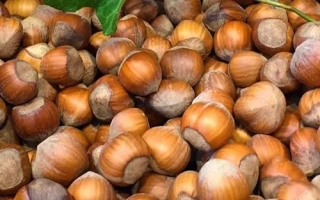
TONDA GENTILE ROMANA
Hazelnut
PRIVATE RENTAL PREMIUM ENTERPRISE "E"User rating
0 votes0% positive reviews
No ratings yet — be the first.
Nut; Shape
Round, Extended
Nut; Fruit mass
2.5-3.0 grams
Registration year
2025
Store offers · 1 from 1 stores
Prices are updated on loadLoading offers…
Available at: Agroshop · Idea-Sad · Semena
Aggregator catalog: prices are collected automatically from store websites, normalized by AI and converted at the current exchange rate. Before ordering, confirm the price and availability on the store's website. This block is not indexed by search engines — the data is loaded after the page opens.
About product

Tonda Gentile Romana walnut is an Italian variety of wild walnut, especially common in the Lazio region near Rome. A medium-sized tree with a broad and branched crown, reaching heights of 3 to 5 meters. The dense, spreading crown promotes good fruit development and ensures a rich yield. The variety is characterized by good cold resistance, tolerating temperatures down to -20°C, as well as resistan…
Nut; Shape
Round, Extended
Nut; Fruit mass
2.5-3.0 grams
Registration year
2025
Description
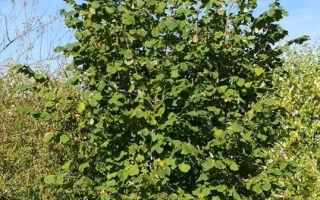
Tonda Gentile Romana walnut is an Italian variety of wild walnut, especially common in the Lazio region near Rome. A medium-sized tree with a broad and branched crown, reaching heights of 3 to 5 meters. The dense, spreading crown promotes good fruit development and ensures a rich yield. The variety is characterized by good cold resistance, tolerating temperatures down to -20°C, as well as resistance to bud mites, making it a reliable choice for gardeners.
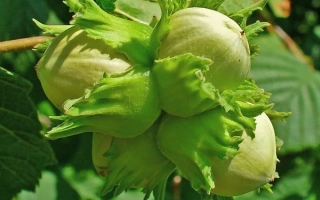
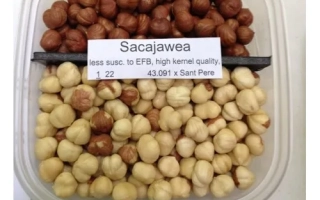
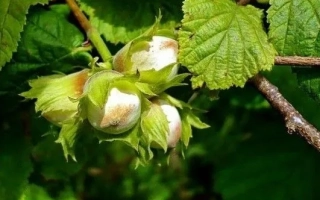
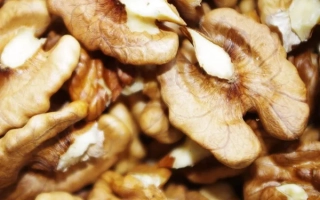
The fruits of Tonda Gentile Romana have an oval or round shape, with an average nut weight of about 2.7 grams and kernels weighing approximately 1.4 grams. The shell is thin, chestnut-striped, slightly longer than the fruit, providing good protection against external influences. Kernel yield is high — around 44-48% — making this variety economically advantageous for cultivation. Kernels are distinguished by a strong nutty aroma, typically free of fibers and poorly suited to blanching, which is especially valued in confectionery production.
Tonda Gentile Romana is a self-fertile variety, but for increased yield, it is recommended to grow it in combination with other walnut varieties, such as Hall's Giant, Cosford, or Roman. Male and female flowers bloom in mid-season, ensuring good pollination. Due to its excellent taste and high yield, this variety is widely used in chocolate and dessert production and is appreciated by gourmets and gardeners worldwide.
The fruits of Tonda Gentile Romana have an oval or round shape, with an average nut weight of about 2.7 grams and kernels weighing approximately 1.4 grams. The shell is thin, chestnut-striped, slightly longer than the fruit, providing good protection against external influences. Kernel yield is high — around 44-48% — making this variety economically advantageous for cultivation. Kernels are distinguished by a strong nutty aroma, typically free of fibers and poorly suited to blanching, which is especially valued in confectionery production.
Tonda Gentile Romana is a self-fertile variety, but for increased yield, it is recommended to grow it in combination with other walnut varieties, such as Hall's Giant, Cosford, or Roman. Male and female flowers bloom in mid-season, ensuring good pollination. Due to its excellent taste and high yield, this variety is widely used in chocolate and dessert production and is appreciated by gourmets and gardeners worldwide.
Crop & resistance
Pest resistance
Specifications
| Nut; Shape | |
|---|---|
| Nut; Fruit mass | 2.5-3.0 grams |
| Registration year | 2025 |
| Catalog | Catalog → Hazelnut |
| Manufacturer | PRIVATE RENTAL PREMIUM ENTERPRISE "E" |
| Legal data |
Show · 5
|
| Country | Ukraine |
Not yet комментариев. Be the first!




See also
Often considered together with this variety






Recently viewed
Products you’ve viewed on this site
Reviews · 0