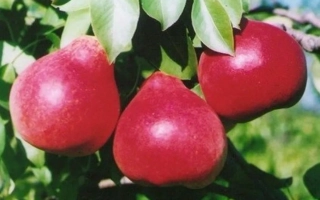
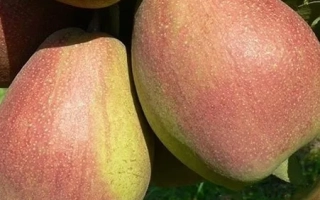
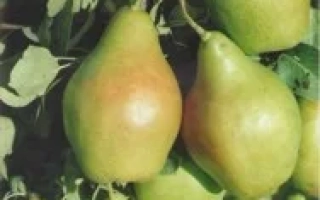
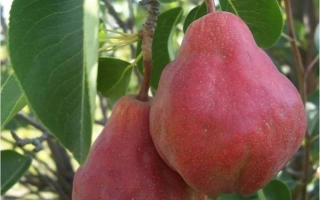
The Golden Vityaz pear variety represents a winter variety with universal ripening time, distinguished by high winter hardiness and resistance to diseases and pests. The tree is medium-sized or vigorous with a round or wide-pyramidal dense crown. Blossoming is late, which contributes to good winter hardiness. The variety begins bearing fruit on the 4th–5th year on dwarf rootstocks and on the 7th–8th year on vigorous rootstocks. For pollination, suitable varieties are Berez Ardanpol, Berez Bosk, Berez Gardi, Dobrа Luiza, Marianne, Williams, and Lyubimaya Klappa.
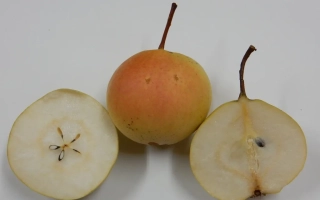
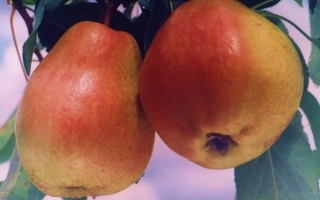
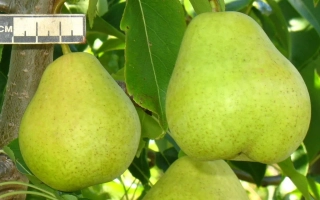
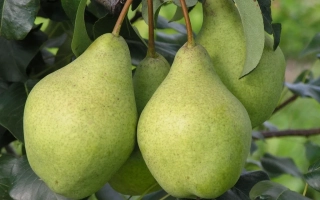
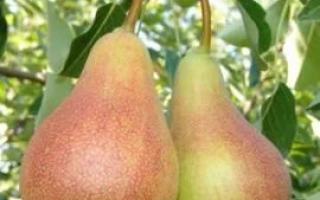
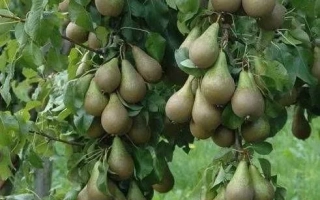
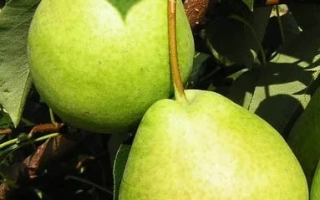
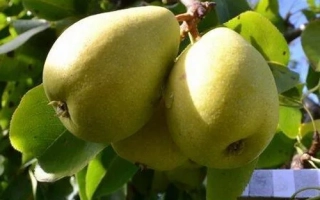
The fruits of the Golden Vityaz pear are medium-sized or slightly smaller, weighing from 90 to 120 g, reaching 160 g in some cases, and in warmer regions, such as Crimea, may be larger—up to 170 g. Fruit shape varies from round to short-pear-shaped, with a golden-yellow color and smooth skin. The flesh is cream or yellowish-white, medium density, juicy, with a pleasant aroma and balanced sweet-sour taste, rated 4.5 points. Dry matter content reaches 13%, sugar—8%, acidity—about 3%. Fruit marketability is high—up to 90%.
Ripening periods occur at the end of September–beginning of October, while fruits retain their taste qualities under normal storage conditions for 100–120 days, allowing consumption in fresh form during the winter period. The yield of the variety is medium, reaching about 102.5 c/ha on vigorous rootstocks and significantly higher on dwarf rootstocks, up to 288 c/ha and more in some years. The main advantages of the variety are good winter hardiness, high fruit quality, and long storage period, which makes Golden Vityaz attractive for growing in central regions.