The autumn variety was obtained by I. V. Michurin from crossing wild Ussuri pear with Bere Sluckaya. It did not gain widespread cultivation due to insufficient cold resistance and has survived in small quantities in old, amateur gardens. It was officially registered in the North-Western region.
The tree is fast-growing with a broad-pyramidal, moderately dense crown. The bark on the trunk and main branches is greenish-gray.
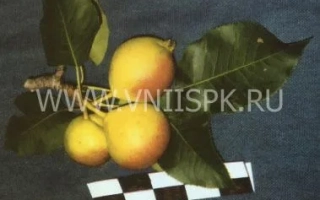
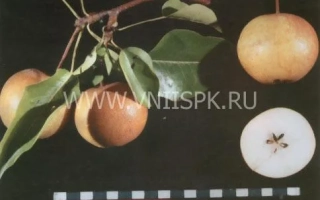
Shoots are not thick, slightly curved, brown, with many large buds. Leaves are medium-sized, oval-rounded, glossy, dark green, short-pointed. The blade is weakly folded, the edge is serrated, the petiole is long and thin, the stipules are small and awl-shaped.
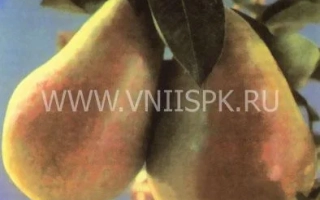
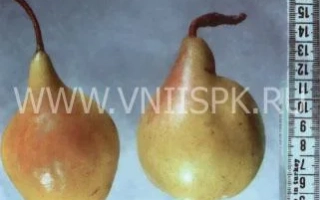
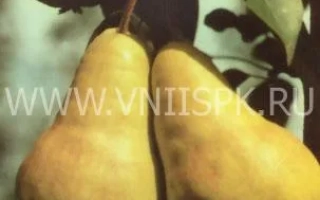
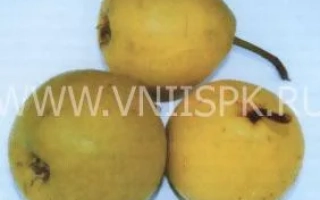
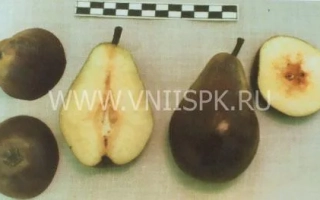
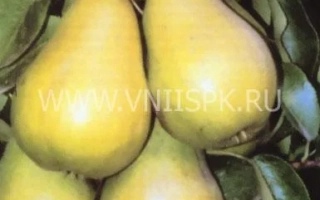
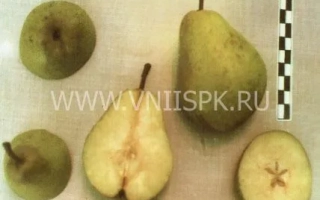
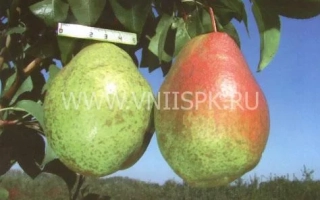
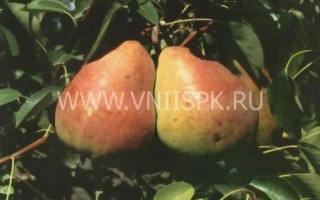
Fruits are below average size, elongated-pear-shaped, with a long, medium-thick pedicel, open calyx, very small and slightly ribbed depression. During harvest maturity, the main color is green, turning yellow upon ripening with a weak, brownish blush.
The flesh is juicy, white, coarse-grained, with a slightly sour-sweet taste.
Harvest maturity occurs in the first decade of September, consumer maturity in late September, fruits keep for 2-3 weeks. They shed easily upon ripening.
Fruit production begins in the 6th year after planting in the garden, with high yield, and is almost immune to fungal diseases.
Advantages of the variety: high yield, relatively high resistance to fungal diseases, attractive fruit appearance.
Disadvantages of the variety: insufficient winter hardiness, relatively late fruiting onset, fruit shedding.