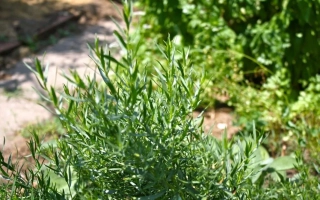
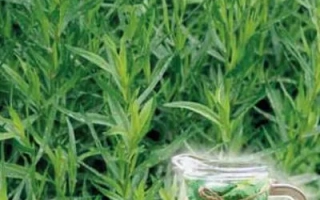
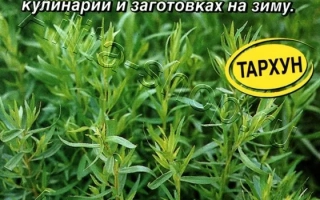
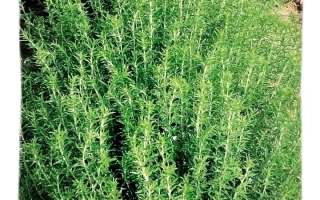
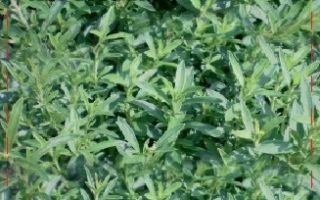
Tarragon is a perennial herbaceous plant of the aster family, known for its aromatic properties and bright taste resembling a mix of mint and anise. It is valued both in cooking and medicine: thanks to essential oils and vitamins (A, B, C), it possesses antiseptic, anti-inflammatory, and stomach-regulating properties.
In gardening, tarragon prefers well-drained soils, does not tolerate waterlogging or acidic soils. To obtain a harvest, young greens are regularly pruned throughout the season and then dried. When growing, it is important to avoid direct sunlight on young shoots – under strong sun they should be shaded to prevent burns.
In cooking, tarragon is widely used as a spice: it is added to fillings, hot dishes, sauces, and mayonnaises. It is also a key ingredient for preparing traditional drinks such as tarhun (a popular children's drink), as well as for flavoring liqueurs and wines. Thanks to its rich taste and aroma, tarragon becomes an indispensable component in Caucasian and Arab cuisines.