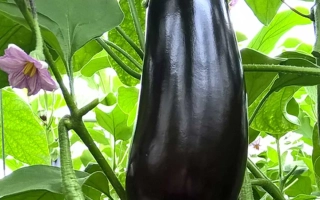
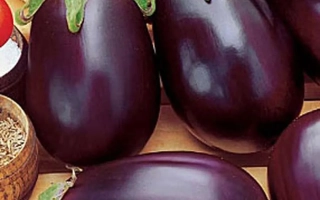
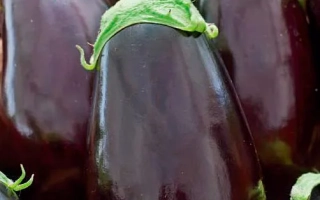
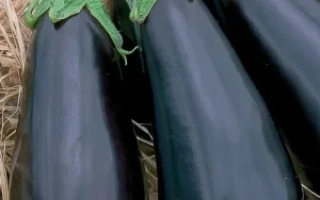
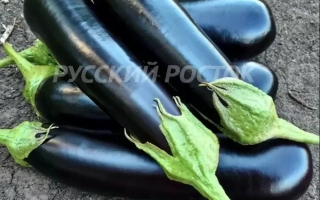
VLAS Eggplant is a valuable vegetable hybrid with high agronomic and taste characteristics. This variety is characterized by a medium-early maturity period; the first fruits can be harvested 70-80 days after seedling transplantation. The plant has a sturdy root system, dense foliage, and short internodes, which helps retain fruits even under unfavorable climatic conditions and ensures a stable yield. The grown fruits have an elongated cylindrical shape, 22-28 cm in length, 6.5-7 cm in diameter, and an average weight of about 300-350 g. The skin of the eggplants is dark purple with a bright glossy sheen, while the flesh is light, almost white, with low seed content, making them particularly attractive for culinary use.
This variety is versatile and suitable for cultivation both in open ground and in greenhouses and hotbeds. Due to the high content of dry matter and pleasant taste, VLAS eggplants are widely used in preparing fresh dishes, heat treatment, and canning. They are excellent for salads, stews, grilling, as well as freezing and long-term storage. The dense and shiny skin protects the tender flesh, which facilitates transportation and maintains the market appearance of the fruits.
As a crop, eggplants have a rich history and are valued not only for their taste qualities but also for their beneficial properties. They contain B-group vitamins that strengthen the nervous system, vitamin C, which helps protect the body from infections, and trace elements such as copper, iron, and manganese, which have a beneficial effect on the blood system and increase hemoglobin levels. Potassium and sodium contribute to the elimination of harmful cholesterol, making eggplants an important element of a healthy diet. Due to these qualities, VLAS eggplants are a demanded crop in vegetable farming and home gardening.