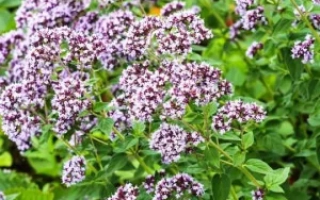
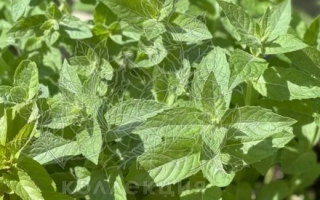
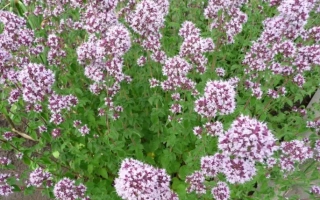
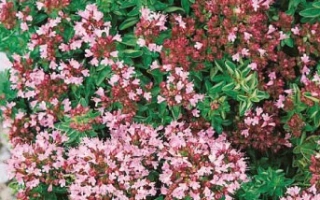
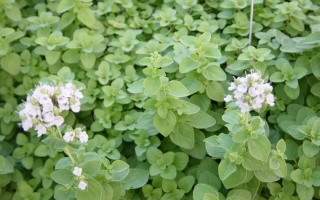
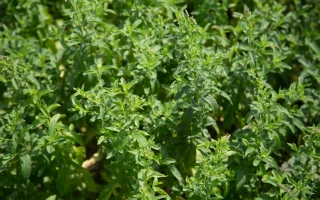
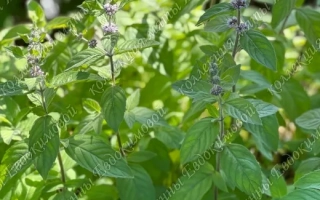
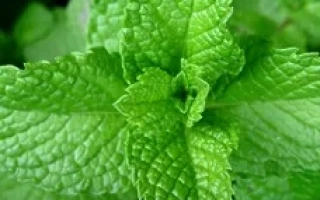
Sweet marjoram (Origanum vulgare) – a perennial herbaceous plant up to 50–70 cm high from the mint family. Leaves are dark green on top and grayish-green underneath, 1–4 cm long; flowers are small, light to dark pink, gathered in shield-like inflorescences. The plant has a branching rhizome and is often creeping, preferring open areas with good light, but grows poorly on heavy clay and acidic soils. It tolerates cold well – can start vegetating even during February frosts, but does not withstand heat, shade, or excessive moisture.
In cooking, marjoram is widely used as a fragrant herb: added to meats, sauces, gravies, and in Italian cuisine to flavor pizza. In many spice mixtures, it serves as one of the components of 'oregano'. Dried or fresh leaves and flowers are used to prepare home-made sausages, pâtés, liver and meat fillings, as well as in dishes with champignons. In folk medicine, marjoram is used for stomach spasms, gastritis, liver inflammation, insomnia, nervous disorders, and as an expectorant.
The agricultural potential of the plant is reflected in its agronomy: seeds easily grow and yield a good harvest. Sowing can be done in spring or early autumn; when growing in a permanent location, seedlings are planted in wide rows according to a 70 × 40 cm scheme. Care includes weeding, loosening, watering, and fertilizing. Yield reaches 0.5–0.6 kg/m² in the second year and 2–2.5 kg/m² in subsequent years. After harvesting, plants are cut at a height of 15–20 cm, and the harvest is dried in the shade in a well-ventilated room. Marjoram is also a decorative plant and a nectar plant, thanks to its strong characteristic aroma and cold resistance.