

SKU #64643
·
56 views
Otrada
Currant
FANCAUser rating
0 votes0% positive reviews
No ratings yet — be the first.
Blackberry Type
Golden
Bloom to maturity, days
Late (55-65 days)
Berry Size
0.8-1.2, 1.3-1.8
Berry Color
Violet
Prices in stores
from1.06 €per seedling
pack from 1.06 € per 1 pcs
3 offers from 3 stores
Store offers · 3 from 3 stores
Prices are updated on loadLoading offers…
Available at: Татьяна Гречишникова · Кліома Сервіс · Posadka
Aggregator catalog: prices are collected automatically from store websites, normalized by AI and converted at the current exchange rate. Before ordering, confirm the price and availability on the store's website. This block is not indexed by search engines — the data is loaded after the page opens.
About product

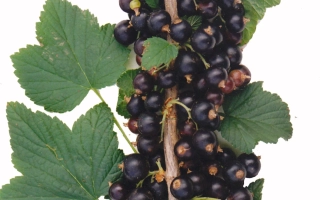
Golden currant of the 'Otrada' variety is a late-maturing variety of universal purpose, characterized by a medium-sized, semi-spreading bush with straight brown shoots of medium thickness and a matte surface. The plant's leaves are medium-sized, green, and 3-5-lobed with deep indentations. The fruit clusters are of medium size, with berries densely arranged, usually containing 7-12 pieces. The ber…
Blackberry Type
Golden
Bloom to maturity, days
Late (55-65 days)
Berry Size
0.8-1.2, 1.3-1.8
Berry Color
Violet
Description
Golden currant of the 'Otrada' variety is a late-maturing variety of universal purpose, characterized by a medium-sized, semi-spreading bush with straight brown shoots of medium thickness and a matte surface. The plant's leaves are medium-sized, green, and 3-5-lobed with deep indentations. The fruit clusters are of medium size, with berries densely arranged, usually containing 7-12 pieces. The berries are round, cherry-colored, with an average weight of about 1.2 grams, reaching a maximum of 1.9 grams, with a skin of medium thickness without pubescence. The berries have a sour-sweet and refreshing taste, confirmed by a tasting score of 4.5 points. The 'Otrada' variety is characterized by high winter hardiness, heat tolerance, and drought resistance, making it resistant to adverse climatic conditions. Resistance to diseases and pests is at the level of standard varieties, except for gall midge. Berries contain a significant amount of dry soluble substances (16.1%), sugars (10.7%), acids (up to 1.6%), and vitamin C (25.2 mg per 100 grams), which ensures their high nutritional value and beneficial properties. The variety has high self-fertility, which facilitates its cultivation and increases yield. Berry ripening occurs at the end of August – beginning of September, and the berries do not fall off until autumn frosts, which contributes to their long-term storage and transport. The variety differs in high transportability and complex stability, making it attractive for commercial cultivation. Moreover, the berries have a mulberry aroma and a dessert taste, which adds special appeal for consumers.
Crop & resistance
Crop
Specifications
| Blackberry Type | |
|---|---|
| Bloom to maturity, days | Late (55-65 days) |
| Berry Size | 0.8-1.2, 1.3-1.8 |
| Berry Color | |
| Shrub Shape | |
| Berry Transportability | |
| Vitamin C content, mg/100g | 250 |
| Sugar Content | 10 |
| Registration year | 2011 |
| Catalog | Catalog → Currant |
| Manufacturer | FANCA |
| Legal data |
Show · 1
|
| Country | Russia |
Not yet комментариев. Be the first!
Alternatives
Currant saplings · similar varieties





See also
Often considered together with this variety




Recently viewed
Products you’ve viewed on this site
Reviews · 0