


SKU #69435
·
40 views
LEMMON
Clover
BARENBRUG HOLLANDUser rating
0 votes0% positive reviews
No ratings yet — be the first.
Usage Type
On feed
Flower Color
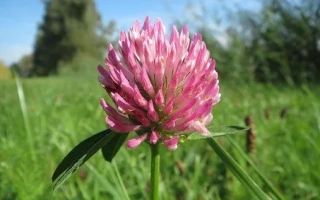
Red
Root System Type
Taproot
Variety Characteristics
High-yielding
About product

High-performance red clover variety designed to provide consistent, high-quality forage for dairy farms.
Usage Type
On feed
Flower Color
Red
Root System Type
Taproot
Variety Characteristics
High-yielding
Description
Dutch breeding for high forage productivity
The Lemmon red clover variety from Barenbrug Holland represents the gold standard in European plant breeding. Developed in close cooperation with the Belgian research institute ILVO, this variety is engineered to provide maximum nutritional value and high dry matter yields for intensive livestock farming.
Agronomic profile and key features
Lemmon displays the classic red clover traits refined to perfection by Barenbrug’s experts. Its taproot system provides excellent drought tolerance and efficient nutrient uptake from deep soil layers, making it a reliable component for long-term grass mixtures.
- Usage: Forage crop suitable for both haymaking and intensive grazing.
- High yield of green mass and dry matter.
- Superior adaptability to diverse European soil and climatic conditions.
- Fast regrowth capacity after cutting.
Barenbrug Holland’s reputation as a world leader in grass breeding ensures that every batch of Lemmon seeds meets strict purity and germination standards. This variety is the preferred choice for farmers who prioritize feed consistency—from protein content to animal palatability.
Market positioning
In the modern forage market, Lemmon occupies the premium segment for professional agribusiness. Unlike local landraces, this variety delivers predictable, repeatable results, which is critical for planning the feed requirements of dairy farms. By integrating Lemmon into their operations, farmers can significantly reduce their reliance on expensive concentrates, ensuring their livestock receives high-quality, homegrown plant protein.
Crop & resistance
Crop
Specifications
| Usage Type | |
|---|---|
| Flower Color | |
| Root System Type | |
| Variety Characteristics | |
| Registration year | 2017 |
| Catalog | Catalog → Clover |
| Manufacturer | BARENBRUG HOLLAND |
| Legal data |
Show · 16
|
| Country | Netherlands |
Store offers
Prices are updated on loadLoading offers…
Aggregator catalog: prices are collected automatically from store websites, normalized by AI and converted at the current exchange rate. Before ordering, confirm the price and availability on the store's website. This block is not indexed by search engines — the data is loaded after the page opens.
Not yet комментариев. Be the first!


See also
Often considered together with this variety






Recently viewed
Products you’ve viewed on this site
Reviews · 0