


SKU #73620
·
54 views
Coral Reefs
Clarkia
Новосибирский ГАУUser rating
0 votes0% positive reviews
No ratings yet — be the first.
Growth Type
Annual herbaceous plant
Apply
Decorative Beds
Plant Height
60-80
Registration year
2024
About product

A tall-growing annual perfect for tiered flower beds and stylish floral arrangements.
Growth Type
Annual herbaceous plant
Apply
Decorative Beds
Plant Height
60-80
Registration year
2024
Description
A Striking Vertical Element for Landscape Design
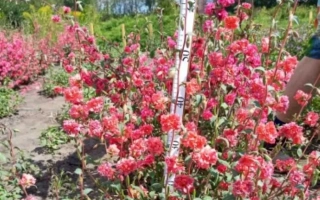
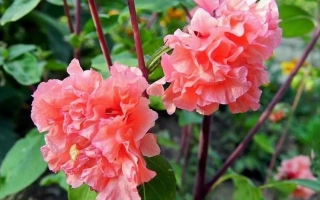
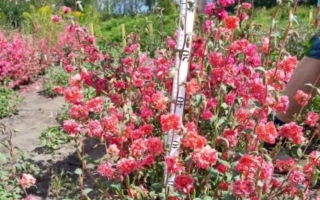
The 'Coral Reefs' Clarkia, developed by the Novosibirsk State Agrarian University, is the ideal choice for those balancing aesthetics with low-maintenance needs. Reaching a height of 60–80 cm, this annual serves as a practical tool for vertical gardening and creating expressive focal points in your landscaping.
Practical Application and Cultivation
The primary use for this variety is in decorative flower beds where tiered compositions are required. Thanks to its height, 'Coral Reefs' works perfectly for the back row of flower borders or as a standalone plant in group arrangements:
- Zoning: Planting in dense rows allows you to visually divide areas or hide unsightly fencing.
- Mixed Borders: The plant integrates well with shorter perennials, filling gaps and adding the necessary structure.
- Cut Flowers: This Clarkia features stems long enough for floral arrangements, maintaining its decorative appeal in a vase for an extended period.
This variety shows robust growth, reflecting the expertise of Novosibirsk State Agrarian University in developing resilient cultivars. To achieve maximum decorative impact, it is recommended to plant in well-lit areas with well-drained soil. The plant responds well to moderate watering and does not require complex maintenance, making it a rational choice for gardeners looking to minimize the labor required for decorative area upkeep.
Crop & resistance
Crop
Specifications
| Growth Type | |
|---|---|
| Apply | |
| Plant Height | 60-80 |
| Registration year | 2024 |
| Catalog | Catalog → Clarkia |
| Manufacturer | Новосибирский ГАУ |
| Country | Russia |
Store offers
Prices are updated on loadLoading offers…
Aggregator catalog: prices are collected automatically from store websites, normalized by AI and converted at the current exchange rate. Before ordering, confirm the price and availability on the store's website. This block is not indexed by search engines — the data is loaded after the page opens.
Not yet комментариев. Be the first!
See also
Often considered together with this variety






Recently viewed
Products you’ve viewed on this site
Reviews · 0