


SKU #73633
·
58 views
Trophy
Corn Salad
CLAUSEUser rating
0 votes0% positive reviews
No ratings yet — be the first.
Vegetation Period (days from emergence to harvest)
50-60 days
Leaf Color
Dark green
Assignment
Fresh Salads
Registration year
2013
About product

A reliable dark green salad variety with a predictable 50–60 day growth cycle.
Vegetation Period (days from emergence to harvest)
50-60 days
Leaf Color
Dark green
Assignment
Fresh Salads
Registration year
2013
Description
French breeding for professional salad production
The 'Trophy' corn salad (mâche) by Clause is the go-to choice for growers who prioritize harvest consistency over experimentation. French breeders have developed a variety that fits perfectly into an intensive production cycle, offering farmers predictable results with minimal downtime.
Key advantages
- Optimal vegetation: A maturity period of 50–60 days allows for precise market supply planning, avoiding the delays common with less uniform varieties.
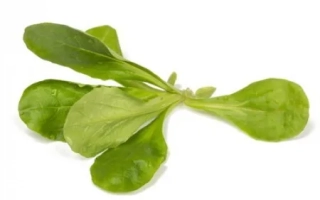
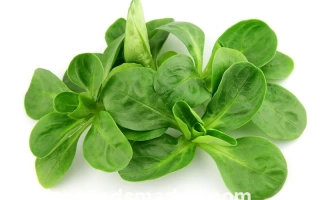
- Market appeal: The deep, dark green leaf color makes 'Trophy' a standout at the point of sale. Customers naturally gravitate toward this shade, as it signals freshness and a robust structure.
- Leaf structure: The plant forms a neat rosette that packs efficiently, significantly reducing waste during the packaging process.
Performance insights
To maximize the potential of 'Trophy', ensure adequate moisture and moderate temperatures. Unlike fast-growing but fragile alternatives, this variety rewards a slightly more attentive cultivation approach with a dense, crisp product that boasts a superior flavor profile. It is perfectly suited for the HoReCa segment and retail chains, where shelf life post-harvest is critical. If you are looking for a reliable 'workhorse' for your fresh greens supply chain, the French genetics from Clause provide a solid foundation for your operations.
Crop & resistance
Crop
Specifications
| Vegetation Period (days from emergence to harvest) | 50-60 days |
|---|---|
| Leaf Color | |
| Assignment | |
| Registration year | 2013 |
| Catalog | Catalog → Corn Salad |
| Manufacturer | CLAUSE |
| Country | France |
Store offers
Prices are updated on loadLoading offers…
Aggregator catalog: prices are collected automatically from store websites, normalized by AI and converted at the current exchange rate. Before ordering, confirm the price and availability on the store's website. This block is not indexed by search engines — the data is loaded after the page opens.
Not yet комментариев. Be the first!
Alternatives
Corn Salad · similar varieties




See also
Often considered together with this variety




Recently viewed
Products you’ve viewed on this site
Reviews · 0