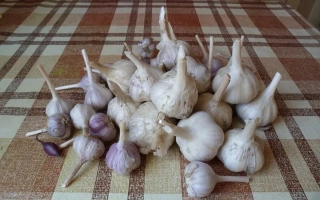
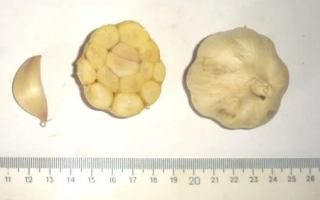
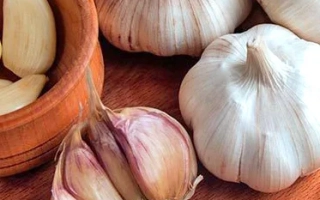
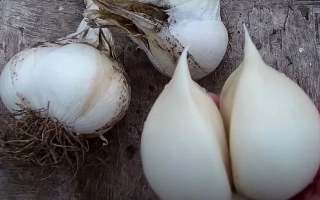
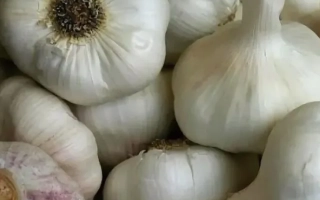
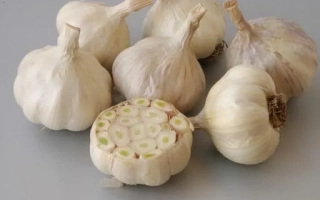
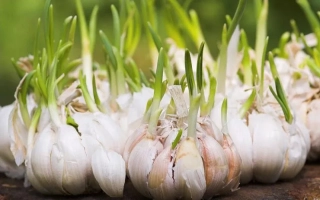
The 'Usponsky' garlic variety is a member of the onion family, widely known for its high nutritional and medicinal properties. The garlic's homeland is Central Asia, however, in Russia it has been successfully cultivated since the 17th century on significant areas, including Central Asia, the Caucasus, Ukraine, and the southern and middle regions of the European part of the country. This variety is characterized by high cold hardiness: it can withstand frosts down to -40 to -45°C under snow, and harvested bulbs maintain quality at temperatures down to -8 to -10°C. The optimal temperature for the growth of the 'Usponsky' garlic is 18-25°C; the plant is light-loving and requires sufficient moisture and soil fertility. For successful cultivation of the 'Usponsky' variety, fertile loam and sandy loam soils with a low groundwater level are preferable. Garlic does not tolerate acidic and saline soils well, which must be taken into account when choosing a planting site. The vegetation period of the variety is from 90 to 100 days, depending on specific growing conditions and climatic zone. Thanks to these characteristics, 'Usponsky' garlic is suitable for various regions with a moderate climate and ensures a stable yield. The nutritional value of 'Usponsky' garlic is high: 6.0 to 13.3% protein, 15-28% sugars, as well as mineral salts and vitamins C, PP, and group B are contained in the raw material. These components make garlic not only a popular culinary ingredient but also a valuable means for strengthening health. The 'Usponsky' variety is widely used in cooking and folk medicine, thanks to its taste qualities and beneficial properties.