


SKU #68753
·
47 views
CLOVE
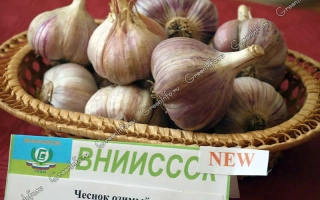
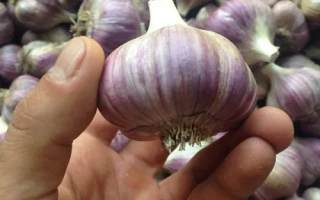
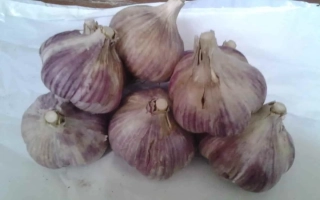
Garlic
OOO NPF 'AGROSEMTOMS'User rating
0 votes0% positive reviews
No ratings yet — be the first.
Suitable for storage
Yes
Assignment
For Fresh Consumption, Storage
Registration year
2015
About product

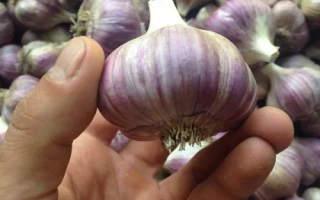
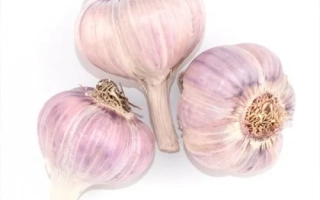
Garlic is a popular vegetable plant that is divided into two main types: spring garlic and winter garlic. Winter garlic is planted in early April, while spring garlic is planted a few weeks before the temperature drops. To grow garlic successfully, it is important to prepare the soil correctly by adding organic fertilizers, potassium salt, and superphosphate. Planting depth depends on the variety…
Suitable for storage
Yes
Assignment
For Fresh Consumption, Storage
Registration year
2015
Description
Garlic is a popular vegetable plant that is divided into two main types: spring garlic and winter garlic. Winter garlic is planted in early April, while spring garlic is planted a few weeks before the temperature drops. To grow garlic successfully, it is important to prepare the soil correctly by adding organic fertilizers, potassium salt, and superphosphate. Planting depth depends on the variety and planting time. Garlic care includes feeding with mineral fertilizers such as phosphorus, potassium, and nitrogen, as well as timely watering and mulching. Winter garlic is harvested at the end of July to early August when the lower leaves yellow and the foliage begins to lay down, while spring garlic is harvested in the second half of August. It is important not to keep the garlic in the ground too long to preserve its freshness and quality.
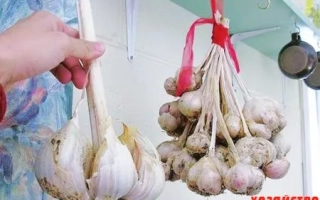
Harvesting and preparing garlic for storage requires care. Watering stops two weeks before harvesting, the garlic is carefully dug up in dry weather, cleaned of soil, and dried on beds or in a ventilated room for five days. After drying, roots and stems are cut to a certain length, which allows bulbs to be prepared for long-term storage. There are several effective ways to store garlic: it can be placed in nets or fabric bags, hung in a dark and dry room, covered with onion skins or salt, and dipped in paraffin for protection against bacteria and moisture evaporation.
For storing peeled garlic cloves in the kitchen, other methods are used. Cloves can be poured with roasted vegetable oil and stored in the refrigerator, dried in a dehydrator or oven until crispy, and garlic seasonings can be prepared by chopping cloves and mixing them with oil, salt, and spices. Such seasonings are stored in sterilized jars in the refrigerator. Following all these recommendations allows garlic to remain fresh, aromatic, and useful for a long time.
Harvesting and preparing garlic for storage requires care. Watering stops two weeks before harvesting, the garlic is carefully dug up in dry weather, cleaned of soil, and dried on beds or in a ventilated room for five days. After drying, roots and stems are cut to a certain length, which allows bulbs to be prepared for long-term storage. There are several effective ways to store garlic: it can be placed in nets or fabric bags, hung in a dark and dry room, covered with onion skins or salt, and dipped in paraffin for protection against bacteria and moisture evaporation.
For storing peeled garlic cloves in the kitchen, other methods are used. Cloves can be poured with roasted vegetable oil and stored in the refrigerator, dried in a dehydrator or oven until crispy, and garlic seasonings can be prepared by chopping cloves and mixing them with oil, salt, and spices. Such seasonings are stored in sterilized jars in the refrigerator. Following all these recommendations allows garlic to remain fresh, aromatic, and useful for a long time.
Video · 9 videos
Suggest a video →Crop & resistance
Crop
Specifications
| Suitable for storage | Yes |
|---|---|
| Assignment | |
| Registration year | 2015 |
| Catalog | Catalog → Garlic |
| Manufacturer | OOO NPF 'AGROSEMTOMS' |
| Legal data |
Show · 2
|
| Country | Russia |
Store offers
Prices are updated on loadLoading offers…
Aggregator catalog: prices are collected automatically from store websites, normalized by AI and converted at the current exchange rate. Before ordering, confirm the price and availability on the store's website. This block is not indexed by search engines — the data is loaded after the page opens.
Not yet комментариев. Be the first!



See also
Often considered together with this variety




PERMYAK
Уральский Центр Перспективных Технологий Овощевод
052 1 offer
3 040 €per 1000 seeds ≈ 156 981 ₴



Recently viewed
Products you’ve viewed on this site
Reviews · 0