


Plant Type
Stalk
Maturation Period
70-80 days
Registration year
2018
Your mark
0 votes
0% positive ratings
Store offers · 3 from 3 stores
3 offers in 3 stores — from 61.69 € per 1000 seeds.
Available at: agropartner21-com-ua · Deagro · Semena-online
Prices are collected automatically from store websites and converted at the current exchange rate. Check the price and availability on the store website before ordering.
Description
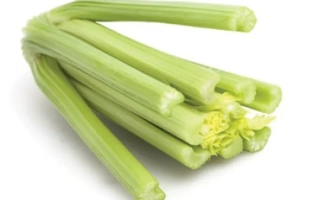
Stetham celery (Stetham) is a mid-season, stalked variety developed by the Dutch company Rijk Zwaan. It is characterized by rapid growth and maturation within 70-90 days after transplanting seedlings, allowing harvest in summer and autumn. The plant forms an elevated rosette with long, uniform, light-green stalks and upright leaves that firmly hold onto the stems. The stalks are smooth, crisp, and juicy, with moderate fiber content, providing a pleasant taste and making them suitable for fresh consumption, thermal processing, and processing. The average fruit weight ranges from 800 grams to 1 kilogram.
The Stetham variety is distinguished by high resistance to bolting and flowering, which is especially important when grown during hot periods. It is also tolerant to diseases, contributing to stable and high yields regardless of growing conditions. The plant prefers fertile, light, and neutral soil, and requires regular watering, nitrogen, potassium, and phosphorus fertilization, as well as loosening and weed control for successful growth. The recommended planting density is 80–100 thousand plants per hectare, ensuring optimal development and product quality.
Harvesting is easy due to the upright leaf arrangement and absence of lateral shoots. Stetham celery stalks are well-suited for transportation and can be stored for extended periods at 0–2 °C and high air humidity (98–100%). This variety is ideal for fresh market sales, as well as for use in salads, various dishes, and home preservation. Due to its taste and nutritional qualities, Stetham celery is a versatile and in-demand product for consumers and producers.
The Stetham variety is distinguished by high resistance to bolting and flowering, which is especially important when grown during hot periods. It is also tolerant to diseases, contributing to stable and high yields regardless of growing conditions. The plant prefers fertile, light, and neutral soil, and requires regular watering, nitrogen, potassium, and phosphorus fertilization, as well as loosening and weed control for successful growth. The recommended planting density is 80–100 thousand plants per hectare, ensuring optimal development and product quality.
Harvesting is easy due to the upright leaf arrangement and absence of lateral shoots. Stetham celery stalks are well-suited for transportation and can be stored for extended periods at 0–2 °C and high air humidity (98–100%). This variety is ideal for fresh market sales, as well as for use in salads, various dishes, and home preservation. Due to its taste and nutritional qualities, Stetham celery is a versatile and in-demand product for consumers and producers.
Crop & resistance
Crop
Specifications
| Plant Type | |
|---|---|
| Maturation Period | 70-80 days |
| Registration year | 2018 |
| Catalog | Catalog → Celery |
| Manufacturer | Rijk Zwaan |
| Country | Netherlands |
No reviews yet. Be the first to share your experience.
Alternatives
Celery seeds · similar varieties






See also
Often considered together with this variety




Recently viewed
Products you’ve viewed on this site
Reviews